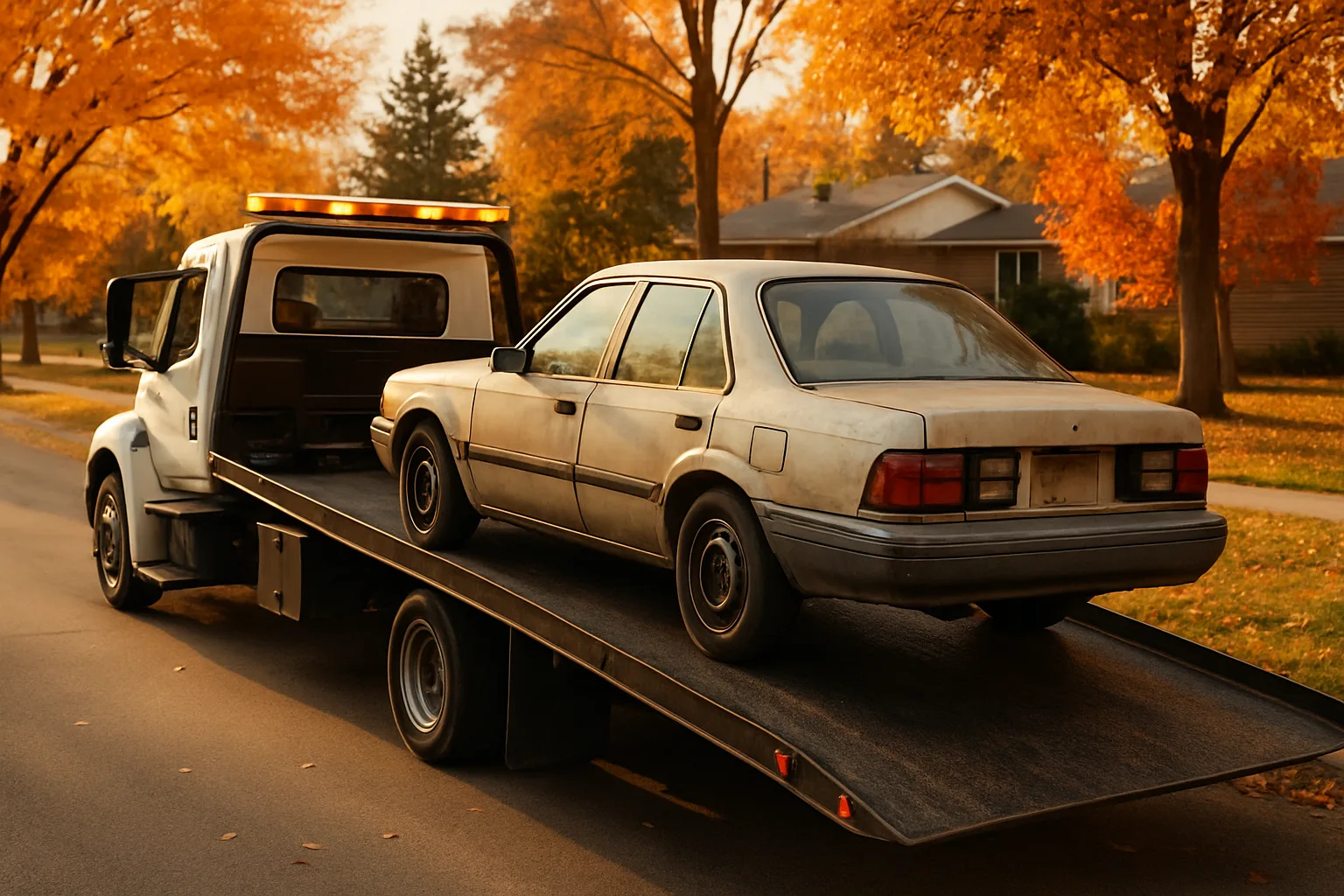
The Paperwork That Stands Between You and Cash for Your Junk Car
Most people assume scrapping a car is complicated. Mountains of forms, trips to the ministry, phone calls that go nowhere. Here's the truth: if you know exactly what documents you need before you pick up the phone, the whole process takes less time than an oil change. Getting cash for junk cars Windsor is straightforward — but only if you show up prepared.
This guide walks you through every document you'll need to scrap a car in Ontario, why each one matters, and what happens when something is missing. No fluff. Just the paperwork checklist that gets money in your hand faster.
Why Documentation Matters When You Sell a Junk Car in Ontario
Scrap yards and car buyers aren't being difficult when they ask for paperwork. Ontario law requires buyers to verify ownership before they pay out on a vehicle. This protects you just as much as it protects them. Without proper documentation, a legitimate buyer can't legally complete the transaction — and if they're willing to skip that step, that's a red flag you don't want to ignore.
Documentation also affects your payout. A buyer who can confirm the vehicle history, confirm it isn't stolen, and confirm you have clear title will move faster and pay with more confidence. Platforms like sell your scrap metal on SMASH Recycling are built around this principle — documented inventory attracts more serious buyers and leads to better price discovery. The same logic applies to your scrap vehicle.
In short: good paperwork = faster sale, fewer headaches, and no liability after the car leaves your driveway.
The Core Documents You Need to Scrap a Car in Windsor
Let's get into it. Here's what you need to have ready when you're looking to sell my car for cash Windsor — or anywhere else in Ontario.
1. Vehicle Permit (Ownership)
This is the most important document. In Ontario, the vehicle permit (commonly called the "ownership slip") is your legal proof that the car belongs to you. Without it, no licensed buyer will touch the transaction. If your name is on the ownership, you're good. If it's in a spouse's name or a deceased family member's name, you'll need to take additional steps — more on that below.
2. Government-Issued Photo ID
A valid driver's licence, passport, or provincial ID card. The name on your ID must match the name on the vehicle ownership. Expired ID is typically not accepted. This is non-negotiable at any legitimate cash-for-cars operation in Windsor or anywhere in Ontario.
3. The Signed Transfer of Ownership
When you sell or scrap the vehicle, you sign the back of the vehicle permit to transfer ownership to the buyer. Your buyer will walk you through this. But know that once signed and dated, that car is no longer legally yours — which means you're no longer responsible for it either. Make sure the date is accurate. Backdating documents can create serious legal issues.
4. Licence Plates (In Most Cases)
In Ontario, licence plates stay with the owner — not the vehicle. When you scrap your car, you remove your plates. You can either return them to a ServiceOntario location and get a plate sticker refund, or transfer them to a new vehicle. Don't leave your plates on a scrap car. You could be held responsible for parking tickets and fines tied to those plates long after the vehicle is crushed.
5. Lien Release (If Applicable)
If you financed the vehicle and still owe money on it, there may be a lien registered against the ownership. You cannot legally sell or scrap a car with an active lien without first settling the debt or getting a lien release letter from your lender. Check the PPSA (Personal Property Security Act) registry if you're unsure. This step catches a lot of people off guard — don't let it catch you.
What If You Don't Have the Ownership? Here's What to Do
Losing your ownership slip is more common than you'd think. Cars sit in driveways for years, paperwork gets lost in moves, estates go unsettled. Here's how to handle the most common scenarios.
- Lost ownership: Apply for a replacement at a ServiceOntario location. You'll need photo ID and the vehicle's plate number or VIN. There's a small fee, and turnaround is usually quick.
- Car belonged to a deceased family member: You'll need to go through the estate process. A letter from the estate executor and a copy of the will or probate documents are typically required. Talk to a notary or lawyer if the estate is complex.
- Car purchased privately with no ownership transferred: This is a harder situation. You'll need to work with ServiceOntario to establish ownership. Don't skip this — selling a car you can't prove you own exposes you legally.
- Inherited vehicle with a lien: Contact the lender directly. Many lenders will work with you to resolve the lien if the original borrower has passed.
The bottom line: if the paperwork isn't clean, sort it out before you call a buyer. Buyers who claim they'll "deal with it later" are not doing you a favour — they're creating a liability.
How SMASH Makes the Process Simpler for Scrap Sellers
Here's where the old way breaks down. You call one yard, they lowball you, they tell you they'll "figure out the paperwork when you get here," and then they waste an hour of your time before offering half of what they quoted. That's not how selling should work.
SMASH is built differently. The platform is designed so that documented, verified vehicles attract competitive bids from vetted buyers. When your ownership is clean and your information is accurate, buyers move faster and with more confidence. That competition can help reveal the true market value of your car — not just what one yard wants to pay that afternoon.
Whether you're scrapping a rusted-out sedan in Windsor or offloading a fleet of vehicles across Ontario, having your documents in order from the start is what makes the SMASH process work the way it's supposed to. You get a free car valuation based on real information, not guesswork — and that's what separates legitimate buyers from opportunistic ones.
If you've got non-ferrous components to sell separately — copper wire, aluminum rims, or even your catalytic converter — platforms like SMASH let you handle that through a competitive auction process too. The days of calling around and guessing whether you got a fair price are over. If you're wondering how to sell catalytic converters online, documented lots with serial tracking get taken seriously by real buyers.
Additional Documents That Can Speed Up Your Sale
The core documents above are mandatory. But there are a few extras that can smooth the process and, in some cases, increase your payout.
- Service history records: Not always required for scrap cars, but useful if you're selling a running vehicle privately before scrapping it. Buyers pay more for transparency.
- Bill of sale from your original purchase: Helpful if the ownership hasn't been updated and you need to prove a chain of ownership.
- Insurance cancellation confirmation: You'll want to cancel your insurance once the sale is complete. Notify your insurer the same day you transfer the plates.
- Keys: Not a document, but worth mentioning. A vehicle with keys is easier to process, move, and assess. If you've lost them, mention that upfront.
- UVIP (Used Vehicle Information Package): Required for private sales in Ontario — not typically required when scrapping, but worth knowing about if you're considering selling privately first.
The more complete your documentation, the faster the transaction closes. If you're in Windsor and ready to move, having everything in a folder before you reach out to a buyer puts you in a much stronger position. Check out our read car selling tips for more practical guides like this one.
What Happens After You Hand Over the Car
Once the vehicle transfer is signed and the car is picked up, your responsibilities don't quite end there. Here's what to do immediately after the sale.
- Remove your licence plates before the car leaves — and either return them to ServiceOntario or transfer them to your next vehicle.
- Cancel your insurance on that vehicle as of the sale date. You'll get a pro-rated refund for unused coverage.
- Notify the Ministry of Transportation if required. In some cases, you can do this online through ServiceOntario.
- Keep a copy of your bill of sale or any transaction documentation. If a parking ticket or bylaw issue comes up tied to the old plates or vehicle, you have proof the car changed hands.
These steps take less than an hour combined. Skipping them can cost you time and money down the road when a collections notice or sticker renewal shows up for a car you haven't owned in months.
If you're ready to move and want to get cash for your car in Canada, the first step is simple: pull together your ownership, your ID, and confirm your lien status. From there, getting a quote and scheduling a pickup is faster than most people expect — especially when you work with buyers who don't waste your time.
Windsor and the rest of Ontario have active scrap markets right now. Don't let disorganized paperwork be the reason you leave money on the table. You can also explore our Windsor scrap metal services if you're looking for local options in the area.
Prices for scrap vehicles fluctuate based on metal markets, vehicle condition, and buyer demand. Always check current rates before finalizing any transaction.
Frequently Asked Questions
Q: Can I scrap a car without the ownership in Windsor?
Not through a legitimate buyer, no. Ontario law requires proof of ownership before a vehicle can be legally transferred for scrap. If you've lost your ownership, apply for a replacement through ServiceOntario — it's a straightforward process and typically takes just a few days.
Q: Do I need to cancel my insurance before scrapping my car?
You don't need to cancel it before the sale, but you should cancel it the same day the car is picked up. Insurance on a scrapped vehicle is wasted money. Contact your insurer after the transfer is signed and your plates are returned.
Q: How much cash can I get for a junk car in Windsor?
It depends on the vehicle's weight, condition, make, model, and current scrap metal prices. Heavier vehicles with intact catalytic converters and non-ferrous metals tend to fetch more. Get a quote before committing to any number — and get more than one quote to make sure you're seeing the real market. Prices fluctuate, so always confirm current rates at the time of your sale.
Q: What do I do with my licence plates when scrapping a car in Ontario?
In Ontario, plates belong to the registered owner — not the vehicle. Remove them before the car is picked up. You can return them to any ServiceOntario location for a partial plate sticker refund, or transfer them to your next vehicle.
Q: Does the car need to be running to get cash for it?
No. Most scrap and junk car buyers in Windsor will pick up non-running vehicles. You may receive a different quote depending on whether the car runs, but condition alone doesn't disqualify you from getting paid. Be upfront about the vehicle's condition when you request a quote so there are no surprises at pickup.
Ready to clear that car from your driveway and put cash in your pocket? Get cash for your car in Canada — get a free quote at cash-forcars.ca and see what your vehicle is worth today.
Stay up to date on scrap metal market trends and industry insights — follow SMASH on LinkedIn for regular updates that help you sell smarter.
```