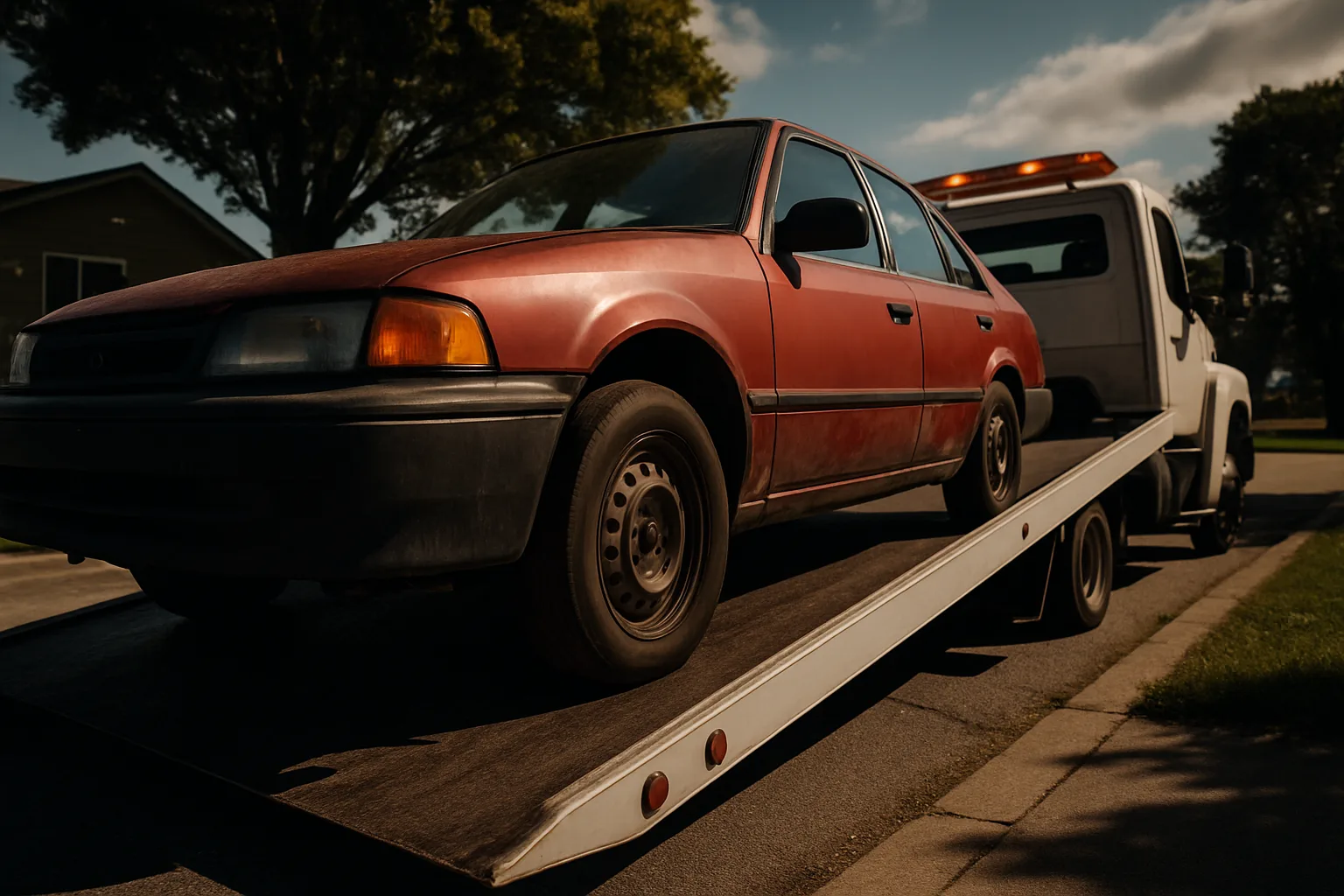
Busting the Biggest Myths About Junk Car Removal (Regina Edition)
You've got an old car sitting in the driveway and you're not sure it's worth anything. Maybe it hasn't moved in two years. Maybe it doesn't even start. Here's the truth: most car owners in Canada leave real money on the table because they believe things about junk car removal that simply aren't true. If you've been putting off the call, this article is for you.
The myths around cash for cars Regina are persistent — and they cost people. Let's break them down one by one so you can make a smart decision about that vehicle gathering dust.
Myth #1: My Car Is Too Old or Broken to Be Worth Anything
This is the most common misconception we hear. Sellers assume that if a car doesn't run, doesn't have a clean title, or has visible rust and body damage, nobody will buy it. That's flat-out wrong. A non-running vehicle still has significant value in its raw materials — steel, aluminum, copper wiring, and catalytic converters all carry market value regardless of whether the engine turns over.
Even a completely stripped or wrecked vehicle holds scrap metal value. Steel is bought and sold by weight. A mid-size sedan typically weighs between 1,300 and 1,600 kilograms. At current scrap metal prices, that's a meaningful payout — even before you factor in the parts that can be resold. Platforms like Canada's B2B scrap recycling marketplace SMASH work with recyclers across the country who pay competitive prices for these materials, which is why junk car buyers can consistently offer cash even for vehicles in rough shape.
Bottom line: the age or condition of your car matters far less than you think. If it has metal, it has value.
Myth #2: The Process Is Complicated and Takes Weeks
People picture mountains of paperwork, waiting for inspections, dealing with title transfers that drag on, and coordinating a tow truck on their own dime. That fear keeps a lot of Regina car owners from even making the first call. The reality in 2026 is very different.
Most legitimate junk car buyers handle the paperwork for you. The process typically looks like this:
- Get a quote — online or by phone, usually in minutes.
- Accept the offer — no pressure, no obligation.
- Schedule pickup — often available within 24 to 48 hours.
- Sign over the title — the buyer walks you through it on pickup day.
- Get paid — cash or e-transfer, same day.
That's it. There's no hidden inspection fees, no waiting for a buyer to "think it over," and no tow bill coming out of your pocket. If you're ready to get cash for your car in Canada, the process is built to be fast and straightforward. Saskatchewan sellers especially — rural pickup logistics are part of the service, not an obstacle.
Myth #3: You'll Get the Same Price No Matter Where You Sell
This one is dangerous because it makes sellers lazy. If you assume every junk car buyer offers the same rate, you'll take the first offer you get — which is almost never the best one. Junk car prices in Canada vary based on current scrap metal commodity prices, your vehicle's weight and condition, local buyer demand, and even the time of year.
The old way of selling a scrap car — one phone call, one offer, take it or leave it — puts all the power in the buyer's hands. You have no idea if that number is fair. That's exactly the problem that competitive marketplaces like SMASH are designed to solve. When multiple vetted buyers are competing for your vehicle or its materials, price discovery becomes real. More competition means you're more likely to see what the market actually thinks your car is worth.
Don't accept the first number out of habit. A quick comparison could mean a meaningfully better payout. You can read car selling tips to understand what factors affect your offer and how to negotiate with confidence.
Myth #4: Junk Car Removal Is Bad for the Environment
Some sellers feel guilty about scrapping a vehicle. They picture fluids leaking into the ground and metal piling up in a landfill. In reality, scrap car recycling is one of the most environmentally responsible things you can do with an end-of-life vehicle.
Here's what actually happens when a car is properly recycled through scrap metal recycling Canada channels:
- Fluids are drained and disposed of properly — oil, coolant, brake fluid, and transmission fluid are extracted before the vehicle is crushed.
- The catalytic converter is removed — it contains platinum, palladium, and rhodium, all of which are recovered and reused.
- Tires are recycled or repurposed — not sent to landfill.
- Steel and aluminum are melted down and reused — producing recycled steel uses significantly less energy than producing it from raw ore.
- Usable parts are harvested first — extending the life of components that still work.
Licensed auto recyclers in Regina and across Saskatchewan follow environmental standards that are strictly regulated. When you sell through a reputable buyer, you're not contributing to pollution — you're participating in one of the most efficient recycling systems in the manufacturing world.
Myth #5: You Need a Perfect Title to Sell Your Junk Car
Missing title? Liens on the vehicle? Name on the title doesn't match? These situations make sellers nervous — but they don't automatically kill the deal. Many junk car buyers in Canada work with vehicles that have title complications, especially when the car is being sold purely for scrap value.
That said, having a clean title almost always gets you a better offer and a faster transaction. If you do have your title, make sure it's signed correctly and that you have valid ID. If you don't, call the buyer first and explain the situation. A legitimate we buy junk cars Regina service will tell you exactly what documentation they need and whether they can work with your specific situation — no runaround.
In Saskatchewan, the provincial vehicle title process is handled through SGI. If you've lost your title, you can apply for a replacement before selling. It takes a little time upfront but often results in a cleaner transaction and a stronger offer.
Myth #6: Junk Car Prices Are the Same Year-Round
Sellers often treat junk car pricing like it's fixed — a flat rate per ton that never moves. In reality, junk car prices per ton fluctuate with the broader scrap metal commodity market. Steel prices, aluminum spot prices, and demand from steel mills and foundries all drive what recyclers are willing to pay for end-of-life vehicles at any given time.
In 2026, global steel demand and supply chain dynamics continue to influence what Canadian recyclers pay. Timing your sale during a period of stronger scrap prices can make a real difference. That's not to say you should sit on a car indefinitely waiting for the market to peak — but it's worth being aware that the offer you get today might be different from the offer you'd get in three months.
The smartest approach: get a free car valuation now, understand your baseline, and move when the offer makes sense for you. Don't let myths about the process slow you down from at least knowing what your car is worth today.
If you're in Regina and you've been sitting on an unwanted vehicle, connecting with local Regina scrap metal services is the fastest way to get an accurate number based on current market conditions.
The Bottom Line: Stop Letting Myths Cost You Money
Junk car removal is faster, simpler, and more lucrative than most people expect. The myths that surround it — that your car is worthless, that the process is a headache, that every buyer pays the same — keep sellers passive when they should be acting. If you've got an unwanted vehicle in Regina or anywhere across Saskatchewan, the market for it is real. The buyers are there. The process works.
Whether your car runs or doesn't, has a clear title or a complicated one, is rusted solid or just high-mileage, there's a path to getting paid for it. Platforms like SMASH connect the recycling ecosystem that makes competitive pricing possible, and services built for Canadian sellers make the transaction straightforward from first quote to final pickup.
Stop guessing. Stop waiting. If you're ready to get cash for your car in Canada, a free quote at cash-forcars.ca takes minutes and costs you nothing.
Disclaimer: Scrap metal and junk car prices fluctuate based on commodity markets and regional demand. Always check current rates before accepting an offer.
Frequently Asked Questions
Q: How much is a scrap car worth in Regina?
Scrap car values in Regina depend on the vehicle's weight, condition, and current scrap metal prices. A typical passenger vehicle can range from a few hundred dollars to over a thousand dollars depending on market conditions. Get a current quote to see what your specific vehicle is worth today — prices change with the commodity market.
Q: Do I need to tow my car to the buyer for cash for cars Regina?
No. Most legitimate cash for cars services in Regina offer free pickup. They come to your location — home, driveway, or storage yard — and tow the vehicle at no charge. The towing cost is factored into their offer, not added as a surprise fee afterward.
Q: What paperwork do I need to sell my junk car in Saskatchewan?
You'll typically need your vehicle title (or proof of ownership) and valid government-issued ID. In Saskatchewan, title transfers are administered through SGI. If your title is lost or damaged, you can apply for a replacement through SGI before completing the sale. Your buyer can usually walk you through the specific requirements.
Q: Can I sell a car that doesn't run for cash in Regina?
Yes — non-running vehicles are bought and sold regularly. Junk car buyers purchase vehicles for their scrap metal value, salvageable parts, and recyclable materials, not just their ability to drive. A non-running car still has weight, still has a catalytic converter, and still has steel and aluminum that carries market value.
Q: How long does junk car removal take in Regina?
In most cases, the full process from quote to pickup takes 24 to 72 hours. You get a quote the same day you call or submit online, accept the offer, and schedule a pickup time that works for you. Many sellers in Regina complete the full transaction within a single business day.
Follow SMASH on LinkedIn for industry updates, scrap metal market insights, and news from the recycling world across North America.