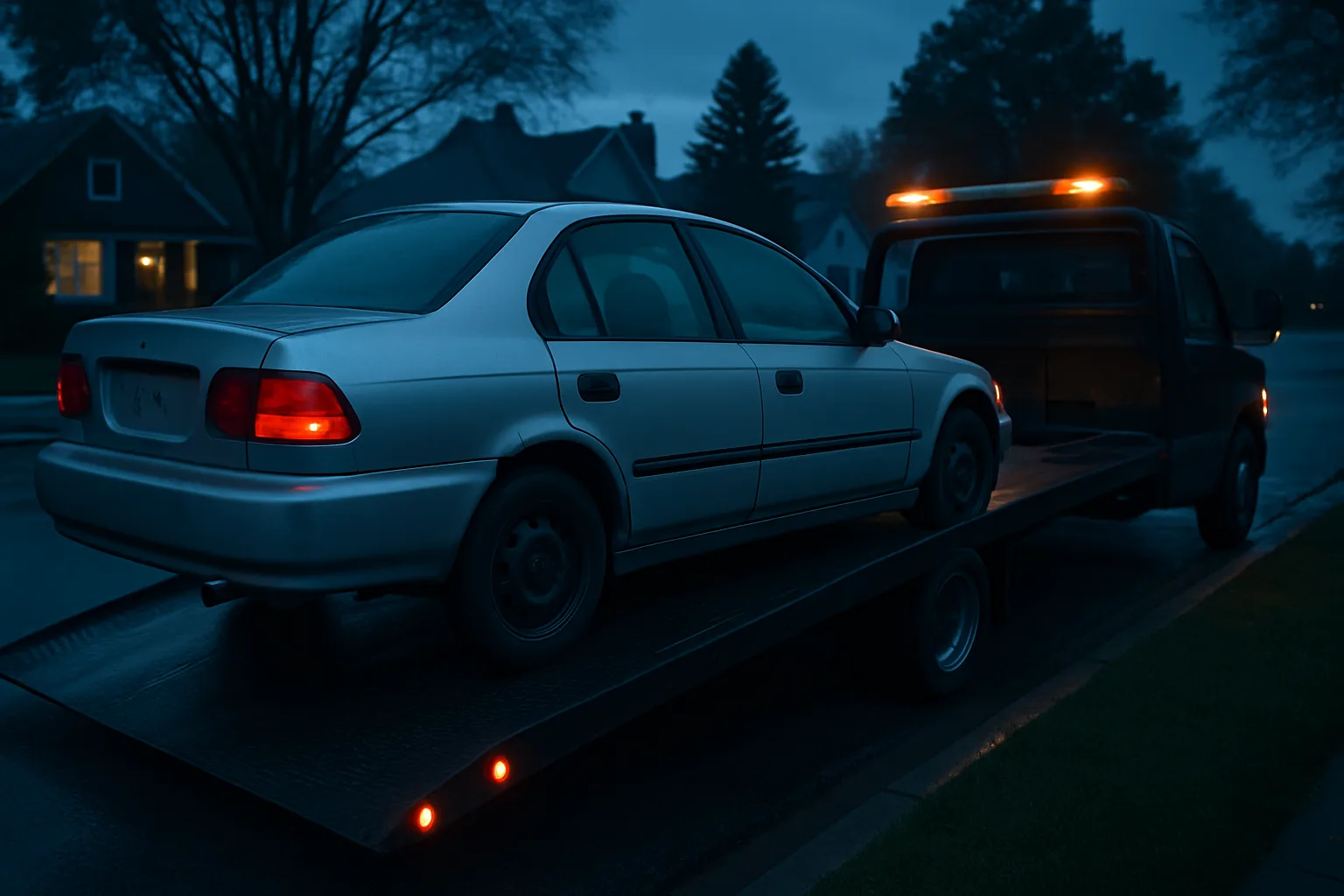
Most car sellers pick up the phone in spring, assuming that's when they'll get the best deal. They're not entirely wrong — but they're missing a bigger picture. Scrap car prices in Canada don't just move with the seasons. They move with steel demand, snowfall, scrapyard capacity, and a dozen other variables most sellers never think about. If you're sitting on a junk car in Longueuil right now, understanding what's actually driving your vehicle's value could mean the difference between a fair payout and leaving money on the table.
This week's market recap breaks down exactly how weather and seasonality affect cash for cars Longueuil pricing — and what you can do about it today.
Why Scrap Car Prices Aren't the Same All Year
Scrap metal is a commodity. Like oil or lumber, it responds to supply and demand forces that shift constantly. A junk car sitting in your driveway is worth more than its parts alone — it's a bundle of ferrous and non-ferrous metals, and those metals have a live market price attached to them every single day.
The automotive scrap market across Canada follows recognizable seasonal patterns, though 2026 has introduced some new wrinkles thanks to shifting steel mill output and ongoing fluctuations in North American manufacturing. Here's the core pattern to understand:
- Spring (March–May): Demand typically rises. Yards reopen after winter slowdowns. More buyers are active. Vehicles that were stuck under snow become accessible again.
- Summer (June–August): Prices often stabilize or dip slightly. Supply floods the market as people clear driveways before moving season.
- Fall (September–November): A second wave of selling activity. Yards stock up before the freeze. Pricing can spike briefly.
- Winter (December–February): Activity slows. Frozen ground limits towing. Some buyers exit the market temporarily. Fewer bids, fewer options.
None of these patterns are guaranteed — but they're consistent enough that timing your sale can genuinely affect your outcome. If you want to get cash for your car in Canada, knowing where you are in this cycle matters.
How Quebec's Weather Specifically Affects Scrap Car Value
Quebec's winters are not gentle. In Longueuil and the surrounding Greater Montreal area, heavy snowfall and hard freezes create real logistical problems for scrap car transactions. Towing a vehicle off an icy driveway costs more. Accessing rural properties becomes difficult. Some buyers simply stop accepting pickups until roads are clear.
That reduced buyer activity translates directly into lower competition — and lower prices. When fewer buyers are bidding, the market favors whoever is still operating. Sellers in Longueuil who try to offload a junk car in January often deal with a take-it-or-leave-it offer from a single yard, with no leverage to push back.
There's also the condition factor. Quebec winters accelerate rust. A car that sat through three or four hard winters carries more corrosion damage to the frame, subframe, and body panels. That deterioration doesn't just affect the resale side — it can reduce the scrap value if structural metals are compromised or if buyers factor in extra processing costs. Getting a free car valuation earlier in the vehicle's life almost always puts more cash in your pocket.
Steel Markets in 2026 — What's Actually Moving Prices Right Now
Scrap metal recycling in Canada is tied directly to what steel mills are paying for feedstock. In mid-2026, North American steel demand has been shaped by a combination of infrastructure spending, ongoing EV transition pressures, and shifting trade dynamics that affect raw material flows. These factors don't care about the season — they overlay the seasonal pattern and amplify or suppress it.
Right now, in July 2026, the summer supply surge is happening. More vehicles are coming to market across Canada as people list unwanted cars ahead of fall. That increased supply puts modest downward pressure on pricing in some regions. However, yards that operate through competitive bidding platforms are still generating strong price discovery because buyer competition offsets supply pressure.
This is exactly where platforms like SMASH Recycling — where verified buyers bid on your metal change the equation. Instead of accepting one offer from one buyer, your vehicle's value gets tested against real market demand. More buyers mean better price discovery, even in a softer summer market. That's not a slogan — it's how auctions work.
Disclaimer: Scrap metal prices fluctuate daily. The conditions described here reflect general market patterns as of July 2026. Always check current rates before making a selling decision.
Seasonal Strategies for Selling Your Junk Car in Longueuil
Knowing that seasons affect prices is only useful if you act on it. Here's what experienced sellers — and the yards that buy from them — already know.
Spring Is Generally Your Best Window
The late April to early June window consistently produces the most buyer activity across Quebec. Snow is gone. Yards are aggressive about building inventory. If your car has been sitting through winter, getting it assessed and listed as soon as the ground thaws tends to yield stronger offers. Buyers are motivated, competition is real, and your leverage as a seller is at its seasonal peak.
Summer Is Solid If You Move Quickly
Mid-July — right now — is still a workable window, but it's not the peak. Supply is higher, which means you want buyer competition working for you. Listing your vehicle through a platform that brings multiple buyers to the table matters more in summer than in spring, when yards are hungry regardless. Don't sit on a decision too long — fall slowdowns arrive faster than most sellers expect.
Don't Wait Through Winter If You Don't Have To
This is the most common mistake. A car that deteriorates through another Quebec winter isn't gaining value — it's losing it. Every month of exposure adds rust, every freeze-thaw cycle stresses the frame, and every season of inactivity makes the vehicle harder to assess and harder to move. If your car is done, get the process started now. You can read car selling tips to understand what documentation and preparation you actually need before pickup.
We Buy Junk Cars Longueuil — What Sellers Actually Want to Know
Sellers searching for "we buy junk cars Longueuil" aren't just looking for a number. They want to know the process is simple, the buyer is real, and the payout is fair. Those are legitimate concerns, especially in a market where a single phone call to a single buyer gives you no way to verify whether the price you're hearing is competitive.
Here's what a straightforward junk car transaction in Longueuil typically involves:
- Vehicle assessment: Year, make, model, condition, mileage, and current state (running or not). Honest information leads to accurate offers.
- Offer generation: A buyer or platform generates an offer based on current scrap metal prices, vehicle weight, and parts value.
- Pickup scheduling: Most reputable buyers arrange towing at no cost to the seller. Confirm this before accepting any offer.
- Title and paperwork: In Quebec, you'll need to transfer ownership properly. Your buyer should walk you through this — it's not complicated, but it's required.
- Payment: Legitimate buyers pay on pickup or within a clearly stated window. Cash, e-transfer, or certified cheque are standard.
SMASH operates with vetted buyers and documented inventory processes — that means no surprise deductions at pickup, no bait-and-switch pricing, and a clear record of what your vehicle is worth and why. That kind of transparency protects sellers across Canada, including right here in Longueuil.
Scrap Metal Recycling Canada — The Bigger Picture Behind Your Car's Value
Your junk car doesn't disappear when you sell it — it enters the scrap metal recycling supply chain. A typical passenger vehicle yields roughly 900 to 1,100 kilograms of recyclable material. The majority is steel. The rest includes aluminum, copper wiring, catalytic converter metals (platinum, palladium, rhodium), and various non-ferrous components.
Each of those materials has its own price curve, its own seasonal demand pattern, and its own buyer base. A vehicle with a high-value catalytic converter might fetch a meaningfully higher offer than its steel weight alone would suggest. A car with significant aluminum content — many newer models — holds value differently than an older all-steel chassis.
This is why generic "scrap car value calculator Ontario" tools or one-size-fits-all estimates often miss the mark. Real price discovery requires real buyers looking at real inventory. That's the difference between guessing and knowing what your car is actually worth on today's market. Whether you're in Quebec or anywhere else in Canada, competition between buyers is what produces honest pricing.
Frequently Asked Questions
Q: What time of year is best to sell a junk car in Longueuil?
Spring — typically late April through May — tends to be the strongest window for seller leverage in Longueuil and across Quebec. Buyer activity picks up after winter, yards are building inventory, and competitive offers are more common. Summer is still workable, but the supply surge moderates prices slightly. Winter is generally the weakest period for sellers due to reduced buyer activity and towing challenges.
Q: Does the weather in Quebec affect how much I get for my scrap car?
Yes, directly. Quebec winters limit towing access, reduce buyer competition, and accelerate vehicle deterioration through rust and freeze-thaw damage. All of these factors can reduce what a buyer is willing to pay. Selling before or after a hard winter typically produces better results than waiting through one.
Q: How do I know if I'm getting a fair price for my junk car in Longueuil?
The most reliable way is to get multiple offers. A single buyer quoting a price over the phone has no incentive to be competitive. Platforms that bring verified buyers into a competitive process — like SMASH — give you a market-tested price rather than a guess. You can also check current scrap metal indices to understand what steel and non-ferrous metals are trading at before you accept any offer.
Q: Do I need to pay for towing when I sell my junk car in Quebec?
Most reputable junk car buyers in Quebec include free towing as part of their offer. Confirm this before agreeing to any deal — some buyers quote a higher price and then deduct towing fees at pickup. Get the all-in number in writing before scheduling anything.
Q: What paperwork do I need to sell a scrap car in Quebec?
You'll need your vehicle registration and proof of ownership. In Quebec, a transfer of ownership form is required to properly remove the vehicle from your name. Your buyer should guide you through the SAAQ requirements — it's a straightforward process, but skipping it can leave you liable for the vehicle after it's gone.
If your car is sitting and losing value with every season, the right move is simple: find out what it's worth today. Visit cash-forcars.ca to get a free quote and start the process — no obligation, no pressure, just a real number based on your actual vehicle. The market won't wait, and neither should you.
Stay sharp on scrap metal market trends — follow SMASH on LinkedIn for weekly industry updates, metal price insights, and news that affects what your vehicle is actually worth.
```