What Actually Happens When You Call for Free Scrap Car Pickup in Quebec City
Most car owners have no idea what happens after they make that first call. You've got an old car sitting in your driveway — won't start, rusting out, costing you insurance money — and you want it gone. But the process feels like a black box. Who shows up? Do you need a title? How fast do you actually get paid? If you're looking for free scrap car pickup in Quebec City, this breakdown gives you the full picture, step by step, so you're not guessing.
Quebec City has a strong recycling infrastructure, and demand for scrap metal is real. But too many car owners leave money on the table because they don't understand how the system works — or they settle for the first offer they get. Let's fix that.
Step 1 — Get Your Vehicle Assessed and Quoted
The process starts with a quote. You contact a junk car buyer — either directly or through a platform — and provide basic information about your vehicle. That includes the year, make, model, mileage, general condition, and location. For vehicles in Quebec City, location matters because distance affects towing costs, and some buyers factor that into their offer.
Honest buyers base their quote on a few things:
- Scrap metal weight — Most passenger vehicles weigh between 1,200 and 1,800 kg. The heavier, the more metal value.
- Salvageable parts — Engines, transmissions, doors, and electronics can have real resale value depending on the vehicle's age and condition.
- Catalytic converter value — Cats contain platinum, palladium, and rhodium. Even on a junker, the cat can be worth something.
- Current scrap metal prices — These fluctuate weekly. A quote today may differ from one next month.
If you want to understand how competitive your quote really is, platforms like SMASH help by connecting sellers to vetted buyers who compete for your vehicle. That competition is how you find out what your car is actually worth — not just what one buyer is willing to offer on a cold call.
Step 2 — Paperwork, Titles, and What Quebec Requires
Here's where a lot of people get nervous. What if you don't have a title? What if the registration is expired or the car has been sitting for years with no documentation?
In Quebec, you'll generally need to provide proof of ownership to transfer a vehicle legally. That typically means your vehicle registration (immatriculation) or title. If you've lost your papers, the SAAQ (Société de l'assurance automobile du Québec) can help you obtain a replacement. It's worth doing — it protects you legally and makes the sale cleaner.
That said, some buyers do work with vehicles that have missing or unclear documentation, especially true scrap-only situations. If you're searching for cash for junk cars no title, be upfront with the buyer about what you have. The offer may change, but it doesn't always mean the deal falls apart. Always confirm what documentation is required before the pickup is scheduled so there are no surprises on the day.
You'll also want to cancel your license plates and return them to the SAAQ, and notify your insurer. In Quebec, plates travel with the owner — not the vehicle — so this step is on you and it saves you from paying insurance on a car you no longer own.
Step 3 — Scheduling the Pickup (and What Free Actually Means)
Once the quote is accepted and paperwork is sorted, you schedule pickup. Many buyers in the Quebec City region offer free scrap car pickup as part of the deal — meaning they send a flatbed or tow truck to your location at no charge. The towing cost is baked into their offer, not added on top.
Watch for buyers who quote high and then add a towing fee at pickup. That's a classic lowball move — they hook you with a big number and trim it on the day. Get towing terms confirmed in writing before you commit.
Pickup timing varies. Some buyers in and around Quebec City can schedule same-day or next-day service. Others may need 2-3 business days depending on route and volume. Ask directly: When is the earliest you can pick up? A buyer who hedges or gives you a vague answer may be overbooked or operating at low capacity.
Before the truck arrives, make sure you:
- Remove all personal belongings from the vehicle
- Take out any aftermarket parts you want to keep (roof rack, audio system, custom wheels)
- Have your documentation ready to hand over
- Know how you're being paid — cash, e-transfer, or cheque
Step 4 — The Pickup Day and Getting Paid
The driver arrives, inspects the vehicle briefly, and you hand over the keys and paperwork. Payment happens at pickup in most cases — that's standard for legitimate junk car removal in Quebec City. If a buyer asks you to wait for payment after they've taken the car, that's a red flag. Get paid before or at the moment of handoff.
Most reputable buyers pay by cash or e-transfer on the spot. Some may issue a cheque, which is fine if you know the company is established. For higher-value vehicles or loads, confirm payment method in advance so you're not standing in your driveway arguing about it.
Once the vehicle is loaded and you've signed over the title or transfer documents, that's it. The car is gone. You've got cash in hand. The whole process — from first call to pickup — typically takes 24 to 72 hours for most Quebec City area sellers, depending on timing and buyer availability.
Step 5 — Where Your Car Goes After Pickup
This part matters more than most people realize. Understanding what happens to your vehicle helps you ask better questions and make sure you're dealing with a buyer who operates responsibly.
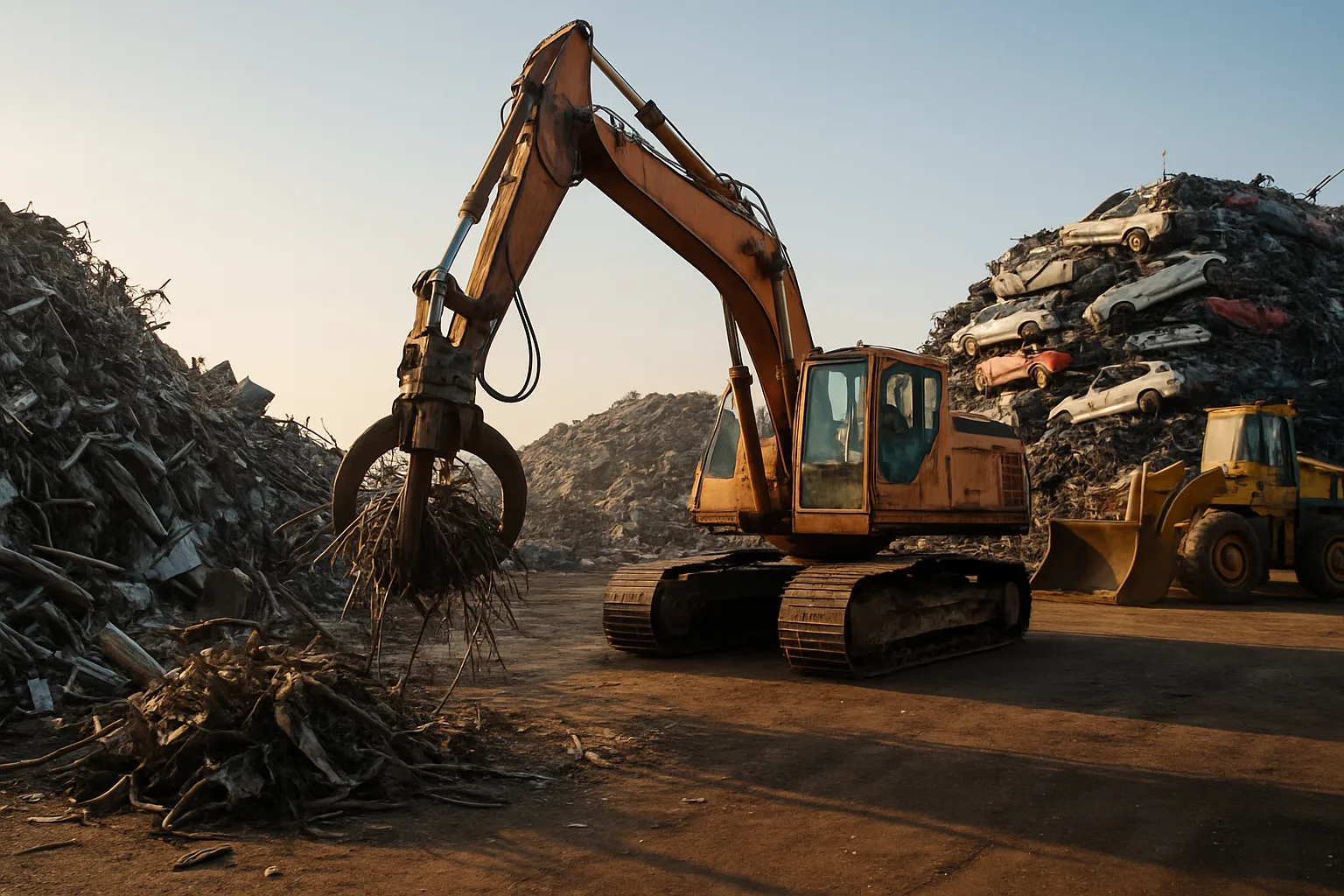
Most scrap cars in Canada go through an auto recycler or dismantler first. Usable parts get pulled — engines, transmissions, body panels, glass. What remains gets crushed and sent to a metal shredder. The shredded material gets sorted into ferrous (steel, iron) and non-ferrous (aluminum, copper) metals. Those materials get sold to mills and foundries that turn them back into usable metal.
Scrap metal recycling in Canada is a serious industry. Recycling steel uses significantly less energy than producing it from raw ore. That means every car you scrap is genuinely contributing to a more efficient production cycle — not just marketing language.
If your car has a catalytic converter, that part often gets removed and processed separately. Cats are sent to refiners who extract the platinum group metals inside. The value varies with commodities markets, which is another reason why getting multiple bids — rather than accepting one offer blindly — helps you capture more of that value.
Platforms like SMASH put your vehicle in front of vetted buyers who compete against each other. That's how price discovery actually works. One buyer with one phone call is just a guess. Competition is data. If you want to get cash for your car in Canada and feel confident you're not leaving money behind, that competitive process matters.
How to Know If You're Getting a Fair Price
Scrap prices shift constantly. Steel prices, aluminum prices, and precious metals like palladium all move with global markets. A quote from six months ago means nothing today. If you want to benchmark your offer, there are a few practical approaches.
First, get more than one quote. It sounds obvious, but most sellers don't do it. Call two or three buyers. See how much variance there is. Even a $50-$100 difference on a car you're giving away is worth 15 minutes of your time.
Second, understand what's driving the value. A 2008 Honda Civic with a working engine is worth more to a dismantler than a 2008 Civic that was in a fire. Don't just accept the first number — ask what's driving it. A buyer who explains their reasoning is one you can trust.
Third, use platforms that create transparency. If you want to get a free car valuation without committing to anything, services designed for Canadian sellers make it easy to understand what your vehicle is worth before you sign anything over. You can also read car selling tips to get sharper before you negotiate.
For sellers in Quebec who want to see what competitive bidding looks like on a larger scale, you can compare scrap metal bids from Canadian buyers and understand how auction-based pricing works versus a single-buyer phone call.
Local context helps too. If you're in or around Quebec City, connecting with Quebec City scrap metal services that know the local market means faster pickups and buyers who are already operating in your area — not dispatching a truck from three provinces away.
Frequently Asked Questions
Q: Is free scrap car pickup in Quebec City actually free, or are there hidden fees?
Legitimate buyers include towing in their offer — you pay nothing out of pocket. The towing cost is factored into what they bid for your vehicle. Always confirm in writing that pickup is free before you agree to anything. If a buyer adds a towing fee after the fact, walk away.
Q: Do I need the title to sell my junk car in Quebec City?
In Quebec, you generally need proof of ownership — your registration documents or title — to legally transfer the vehicle. If you've lost them, the SAAQ can issue replacements. Some buyers may work with incomplete documentation on pure scrap vehicles, but always disclose upfront to avoid complications at pickup.
Q: How long does junk car removal in Quebec City take from start to finish?
For most sellers, the process takes 24 to 72 hours from first contact to pickup. Same-day service is sometimes available, but it depends on buyer availability and your location within the Quebec City region. Get a firm pickup window confirmed before you clear your schedule.
Q: Will I get more money by getting multiple quotes for my scrap car?
Almost always, yes. Scrap prices vary between buyers based on their current inventory needs, their distance from your location, and what they think your vehicle is worth. Getting two or three quotes takes minimal time and often reveals meaningful price differences. Platforms that put multiple vetted buyers in competition — like SMASH — do this work for you automatically.
Q: What happens to my license plates when I scrap my car in Quebec?
In Quebec, license plates belong to the owner, not the vehicle. When you scrap your car, return your plates to the SAAQ and notify your insurer to cancel coverage. This stops any ongoing registration or insurance fees from accumulating on a car you no longer own.
Ready to stop looking at that car and start getting paid for it? The process is straightforward once you know what to expect — and you don't have to settle for the first number someone throws at you. Get cash for your car in Canada by starting with a free quote at cash-forcars.ca. No commitment, no pressure — just a real number for your vehicle.
Stay sharp on scrap metal market shifts and industry news by following SMASH on LinkedIn. It's where the industry talks — and where sellers who pay attention get better outcomes.