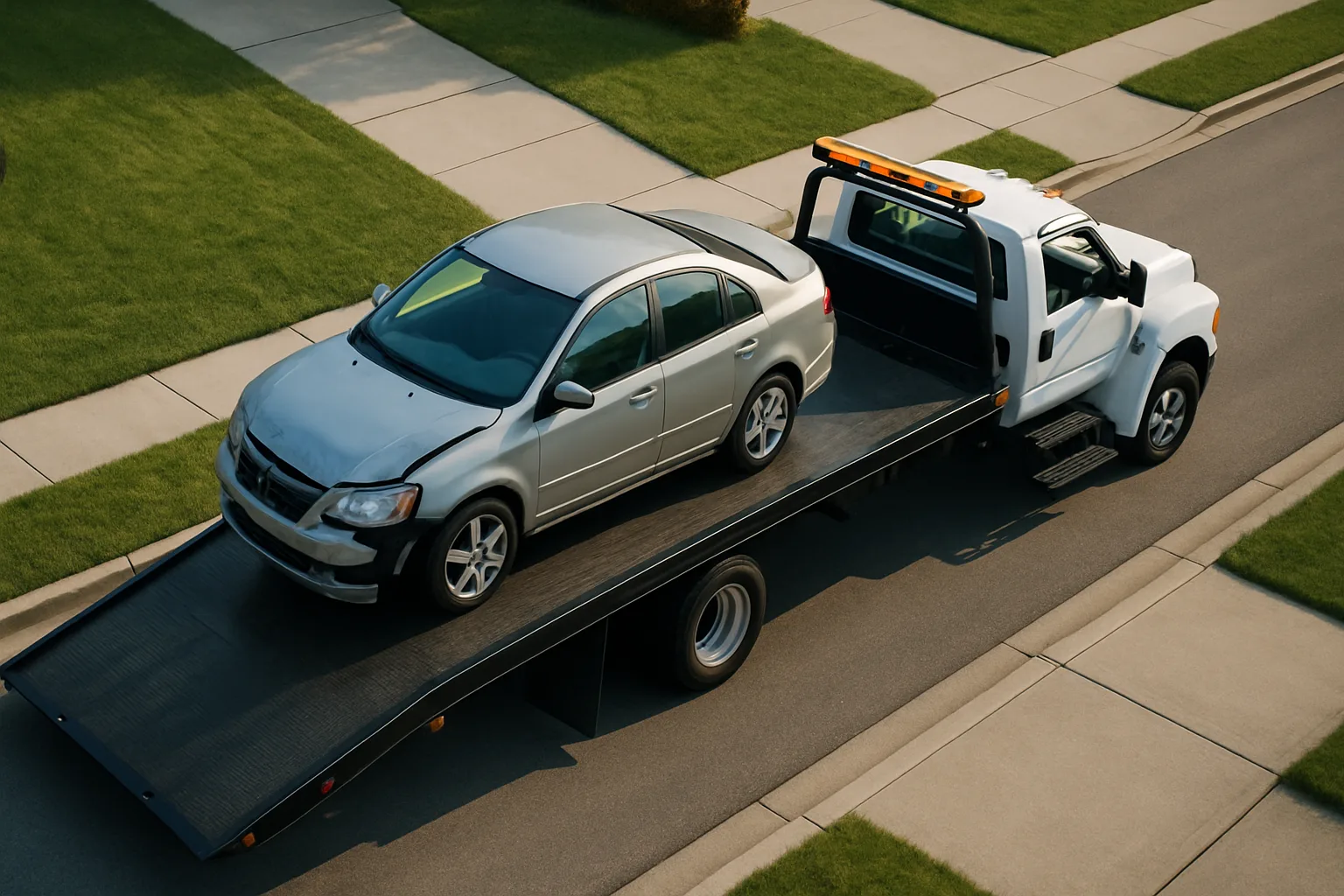
What Happens to Your Accident-Damaged Car? Here's How to Turn It Into Cash
Your car got hit. Maybe it was a fender-bender that totalled it on paper. Maybe it sat in a ditch for three days before the tow truck showed up. Either way, you're staring at a damaged vehicle and wondering what it's worth — and whether anyone will even take it. The answer is yes, and if you're in Red Deer, you have more options than you think. Get cash for your car in Canada even after an accident — the metal still has value, and the right buyer knows it.
Accident-damaged vehicles are one of the most misunderstood categories in the scrap and used car market. Owners often assume a wrecked car is worthless. That assumption costs them money. Whether the frame is bent, the airbags have deployed, or the engine is seized, there's real value sitting in that vehicle — in the steel, the catalytic converter, the non-ferrous metals, and the salvageable parts. The key is knowing how to extract that value instead of letting it drain away in storage fees or towing costs.
This guide walks you through everything you need to know about scrapping an accident-damaged car in Alberta — from documentation to payout, and how platforms like SMASH are changing the way sellers get competitive prices on damaged vehicles.
Step One: Understand What Your Accident-Damaged Car Is Actually Worth
Before you make a single phone call, you need to understand what you're actually selling. A damaged car isn't just one thing — it's a collection of materials and components, each with its own market value. The total payout depends heavily on which of these categories your vehicle falls into.
Here's what buyers are evaluating when they look at a wrecked car:
- Scrap metal weight: Most passenger vehicles weigh between 1.5 and 2 tons. The majority of that is steel. Junk car prices per ton fluctuate with commodity markets, but steel is always in demand. Heavier trucks and SUVs fetch more on weight alone.
- Catalytic converter: Even a damaged cat can hold significant value. Platinum, palladium, and rhodium don't care about bodywork. Know your vehicle's year, make, and model — that data drives the cat's value.
- Non-ferrous metals: Copper wiring, aluminum radiators, brass fittings — these are worth more per pound than steel and buyers look for them specifically.
- Salvageable parts: Undamaged doors, transmissions, axles, and electronics can be pulled and sold separately. If your accident was front-end only, the rear half of that car may be in perfect shape.
- Fluids and consumables: Coolant, oil, and refrigerant need to be drained before recycling — responsible buyers handle this, but know it's part of the process.
The condition of the engine and drivetrain matters too. A car that drives — even barely — will typically get a better offer than one that needs to be winched onto a flatbed. But don't assume a non-runner is worthless. Get a free car valuation before you decide anything.
Documentation You Need (Especially in Alberta)
One of the biggest stressors for accident-damaged vehicle owners is paperwork. The title situation gets complicated fast — especially if the vehicle has been declared a total loss by an insurance company, transferred to a salvage title, or if you're searching for cash for cars no title near me options after losing track of your documents in the chaos post-accident.
Here's the straight truth on documentation in Alberta:
- You should have the title (registration certificate): This is the cleanest scenario. Even a salvage-titled vehicle can be sold for scrap — the title just needs to match your name.
- Total loss declaration from your insurer: If your insurer paid out a claim and transferred the title to themselves, you may need to involve them in the sale. Get clarity on who legally owns the vehicle before you proceed.
- No title? Don't panic: Some buyers work with damaged vehicles where title documentation is incomplete. You'll typically need additional ID, proof of purchase, or a statutory declaration. Check with your buyer upfront — don't assume.
- VIN verification: Legitimate buyers will run the VIN. Platforms like SMASH use VIN lookup and serial tracking as part of their inventory documentation process. This protects both parties and speeds up the transaction.
Don't try to skip documentation steps to move faster. It creates liability. A transparent transaction with proper paperwork protects you legally and often leads to better offers — buyers take on less risk when the paper trail is clean.
The Old Way vs. The SMASH Way: Why Competition Changes Everything for Junk Car Sellers
Here's what the old process looks like for most people trying to sell a wrecked car in Red Deer: you call one yard, they give you a number, you take it or leave it. There's no comparison. No transparency. No idea if that offer is fair or if the buyer is banking on you being too tired to negotiate. That's the single-buyer problem — and it costs sellers real money every day.
The better approach puts competition to work for you. When multiple vetted buyers bid on your vehicle, the price discovery process is real. You're not guessing what your damaged car is worth — the market tells you. That's exactly how SMASH operates. Instead of one phone call and one number, your vehicle gets in front of qualified buyers who compete for it.
Think about what that means for an accident-damaged car specifically. A vehicle with a bent frame but a pristine catalytic converter and undamaged non-ferrous wiring isn't worth the same to every buyer. Some buyers specialize in parts. Others want the metal. A buyer who can extract maximum value from your specific wreck will bid higher — but only if they get the chance to see it. That's what comparing scrap metal bids from Canadian buyers actually looks like in practice.
Photo documentation matters too. If your vehicle is photographed properly — damage clearly shown, VIN visible, undamaged sections highlighted — buyers bid with confidence. Confident buyers bid higher. That's not marketing — that's how auctions work.
Scrap Metal Recycling Canada: What Happens After You Sell
A lot of sellers want to know where their car goes once it leaves their driveway. It's a fair question, and understanding the recycling chain helps you make a smarter sale decision.
Once a vehicle is accepted for scrap metal recycling in Canada, here's the general process:
- Depollution: All fluids — engine oil, transmission fluid, brake fluid, coolant, A/C refrigerant, and battery acid — are drained and processed according to provincial environmental standards. This happens before anything else.
- Parts harvest: High-value components (catalytic converters, tires, batteries, reusable parts) are removed and processed separately. This is where a significant chunk of your car's value lives.
- Shredding: The remaining hulk goes through an industrial shredder. What comes out is shredded steel (shred), which gets sold to steel mills as scrap feedstock.
- Non-ferrous separation: After shredding, magnetic and eddy-current separators pull out aluminum, copper, and other non-ferrous metals. These are processed and sold separately at higher per-pound values.
- The metal re-enters the supply chain: Recycled steel goes back into manufacturing. Your old accident car could become rebar, auto parts, or industrial steel within months.
Knowing this process helps you understand why condition and documentation matter. A clean, documented vehicle moves through this chain faster and commands better prices at each stage. For sellers searching for we buy junk cars Red Deer options, choosing a buyer who understands and participates in this full chain means you're more likely to get a fair market rate rather than a lowball offer from someone guessing at value.
Getting the Best Payout for Your Wrecked Car in Red Deer
Let's get practical. If you're in Red Deer and you have an accident-damaged vehicle you want to move, here's how to maximize your payout:
- Don't rush. Emergency calls right after an accident put you in a weak negotiating position. Take a breath, get the car secured, and then approach the sale strategically.
- Know your cat. The catalytic converter is often the highest-value single component on a scrap vehicle. Know the year, make, model, and whether it's still attached. Buyers want that information upfront.
- Get multiple offers. Never accept the first number. Use platforms that put your vehicle in front of multiple vetted buyers. More competition means better price discovery.
- Document the vehicle thoroughly. Photos of all four sides, the interior, the engine bay, the undercarriage if accessible, and the VIN plate. The more information you provide, the more confident buyers will bid.
- Ask about towing. Many buyers include free towing in their offer. Clarify this upfront so you're comparing apples to apples when evaluating bids.
- Check your fluids situation. If the accident ruptured a fluid line, make sure your buyer knows. Some buyers will discount heavily for environmental remediation — others build it into their process. Know what you're agreeing to.
You can also read car selling tips to understand the full process before you commit to any buyer. Being informed upfront means you're less likely to leave money on the table.
Disclaimer: Scrap metal and junk car prices fluctuate based on commodity markets, vehicle condition, location, and buyer demand. Always check current rates before making a decision.
Frequently Asked Questions
Q: Can I get cash for a car in Red Deer if it's been in a major accident and doesn't run?
Yes. Non-running vehicles are purchased regularly for scrap metal recycling. The steel, catalytic converter, and non-ferrous metals still hold value regardless of whether the car drives. Make sure to disclose the condition accurately so buyers can give you a realistic offer.
Q: Do I need a title to sell my wrecked car for scrap in Alberta?
Having a title speeds things up and typically results in better offers because buyers take on less risk. If your title was lost in an accident or retained by your insurer, contact Alberta motor vehicle services about replacement documentation. Some buyers will work with statutory declarations in specific cases — always confirm upfront.
Q: How do junk car prices per ton get calculated for accident-damaged vehicles?
Buyers look at the vehicle's estimated weight, the current scrap steel market rate, the condition and presence of high-value components like catalytic converters, and how much depollution or processing work is required. A heavier SUV with an intact cat will earn more than a compact car with a missing converter, even if both are similarly damaged.
Q: How long does it take to get paid for a junk car in Red Deer?
Most reputable buyers complete the transaction — including pickup and payment — within one to three business days once an offer is accepted and documentation is confirmed. Platforms that use digital invoicing and documentation tend to move faster than traditional cash buyers operating by phone alone.
Q: What if my insurance company already declared my car a total loss — can I still sell it myself?
It depends on whether your insurer has taken ownership of the vehicle as part of the claim settlement. If you accepted a payout and the title was transferred to the insurer, the vehicle is theirs. If you retained ownership (some policies allow this with a deduction), you can sell it yourself. Clarify this directly with your insurer before approaching any buyer.
An accident-damaged car isn't a dead end — it's a vehicle with recoverable value waiting for the right buyer. Whether your frame is bent, your airbags deployed, or your engine block is cracked, there are buyers across Alberta who want what's left. The smart move is to approach the sale with documentation in hand, multiple bids on the table, and a clear understanding of what your vehicle is actually worth. If you're ready to move forward, Red Deer scrap metal services can connect you with qualified buyers in your area. When you're ready to get a number you can actually trust, get a free quote at cash-forcars.ca — no pressure, no guessing, just a real offer for your car.
Stay current on scrap metal market trends and industry updates by following SMASH on LinkedIn.