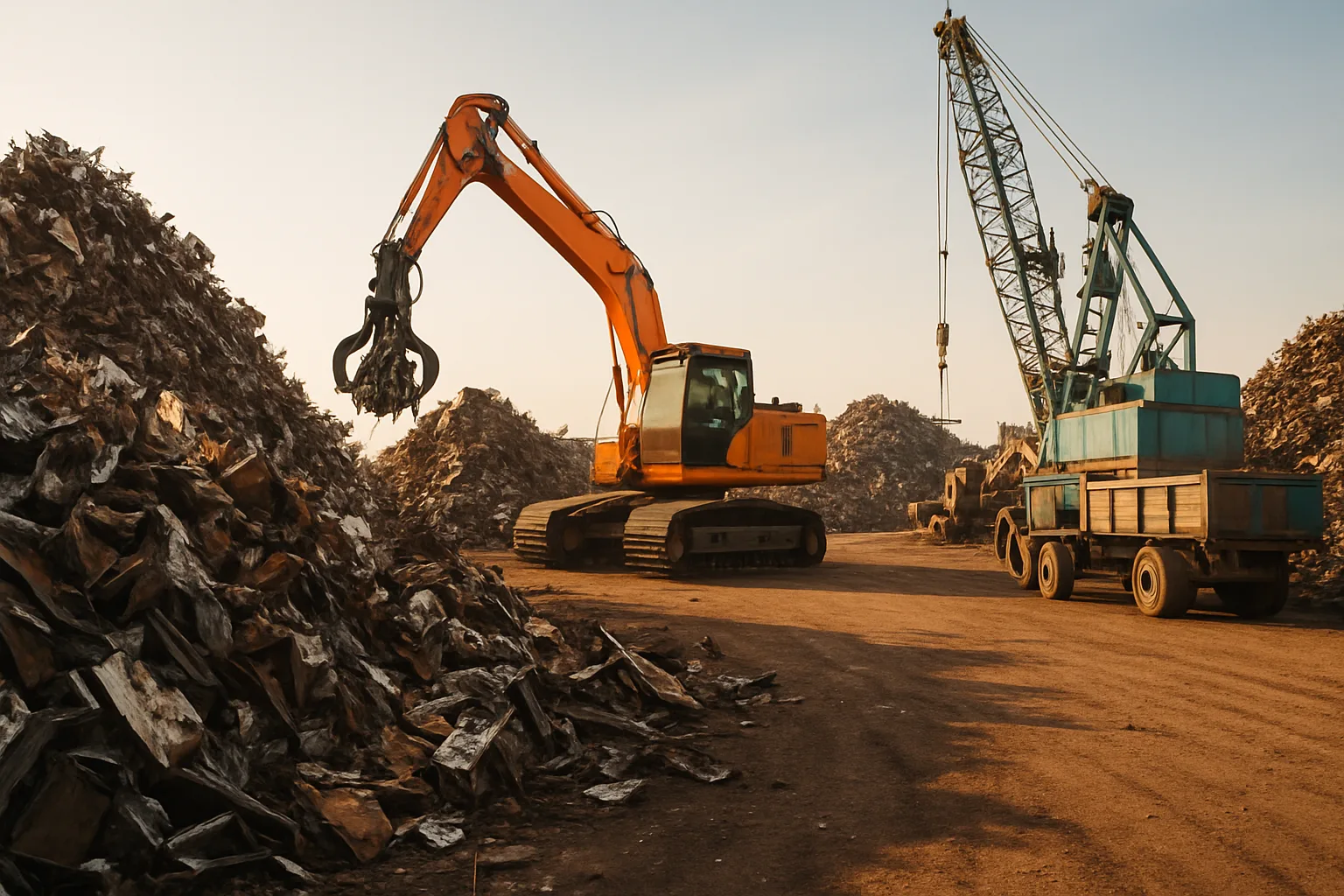
Every Car Has a Final Chapter — Here's How to Make Yours Pay
Your car was built to last. But nothing lasts forever. The average vehicle on Canadian roads today is over 12 years old — and millions of those cars are quietly approaching the end of the road. If you own an older vehicle in Victoria, British Columbia, understanding the full lifecycle of a car isn't just interesting. It's useful. It tells you exactly when to sell, what your car is actually worth at the end of its life, and how to sell my car fast Victoria without leaving money on the table.
This is the story of a car — from the factory floor to the scrap yard — and more importantly, what it means for you when that car is sitting in your driveway right now.
Stage One: Manufacturing — Where the Metal Begins
A modern passenger vehicle contains roughly 900 to 1,000 kilograms of steel, plus aluminum, copper wiring, and various non-ferrous metals. That's not including the plastics, glass, rubber, and fluids. Every component was sourced, refined, and assembled at significant cost — and those raw materials don't disappear when the car wears out. They cycle back into the supply chain.
Steel mills and smelters depend on scrap metal from end-of-life vehicles to produce new material. In fact, a significant percentage of new steel production in North America uses recycled feedstock. That creates real, ongoing demand for scrap cars — demand that drives the prices paid to vehicle owners at the end of the chain. When you sell your junk car, you're not just getting rid of a problem. You're feeding a global materials cycle.
Stage Two: Ownership — The Long Middle
Most cars change hands two to four times during their useful life. The first owner drives it new. A second or third owner takes it used. By the time a vehicle reaches the Victoria market as a used car in its final decade, it's likely already been through multiple provinces, climate zones, and driving conditions. British Columbia roads — especially coastal routes with salt air — accelerate corrosion. That matters when it comes time to appraise a vehicle for scrap.
During the ownership phase, every repair, every accident, every skipped oil change affects the car's residual value. At some point, the math shifts. The cost of keeping the vehicle roadworthy exceeds what it's worth on the road. That's the inflection point — and most car owners feel it before they act on it. If you're at that point now, it's worth knowing what comes next.
- High mileage (200,000+ km): Repair costs accelerate sharply
- Failed emissions or safety inspection: Costly to fix, hard to sell privately
- Accident write-off or salvage title: Private buyers disappear fast
- Non-running condition: Most used car buyers walk. Scrap buyers don't.
Stage Three: The Decision Point — When Selling Makes More Sense Than Keeping
This is where most Victoria car owners get stuck. You know the car is done. But you don't know what it's worth, who to call, or whether you'll get a fair deal. The old approach — calling one salvage yard, taking whatever they offer, and hoping for the best — is exactly the kind of single-buyer, no-competition scenario that costs you money.
The better move is to get your vehicle in front of multiple buyers at once. That's what platforms like SMASH Recycling — where verified buyers bid on your metal are built for. Instead of one phone call to one buyer who sets the price, your vehicle goes to a network of vetted buyers who compete for the load. More buyers means better price discovery. The difference between one offer and three competing offers can be significant — especially for vehicles with heavier metal content or valuable components like catalytic converters and copper wiring.
If you're ready to get cash for your car in Canada, the process starts with understanding what you actually have. Weight, condition, metal content, and location all factor into the final number. A non-running sedan in Victoria won't fetch the same as a diesel pickup in similar condition — but both have real value that a transparent process can reveal.
Stage Four: Scrap Yard Processing — What Actually Happens to Your Car
Once a vehicle reaches a recycling yard, it goes through a methodical dismantling process. This isn't just crushing and shredding. Professional operations extract usable parts first — catalytic converters (cats), alternators, starters, doors, hoods, and glass. What can't be resold as a part gets processed for scrap metal value. This is where your car's steel, aluminum, and copper earn their final paycheck.
Here's a rough breakdown of what a typical passenger car contains by material:
- Steel and iron: 60–65% of total vehicle weight — the core scrap value driver
- Aluminum: 8–10% — wheels, engine blocks, trim — priced as non-ferrous
- Copper: 1–2% — wiring harnesses, motors — higher per-kg value
- Plastics and glass: Lower value, often landfilled or processed separately
- Fluids and hazardous materials: Drained and disposed of under environmental regulations
Scrap metal prices fluctuate with global commodity markets, which means the value of your car at the yard changes week to week. Always check current rates before you commit to a deal. What a yard quoted you six months ago is likely different today. Platforms that connect sellers with live, competing buyers reflect current market conditions better than a static quote from a single source.
If you want to stay sharp on what the market is doing, read car selling tips and scrap market updates regularly — knowledge is leverage when you're negotiating.
How to Sell My Car Fast Victoria — The Practical Playbook
Victoria sellers have some specific advantages. The city's size means you're close to multiple buyers, reducing tow costs. The port proximity and strong regional recycling infrastructure means demand for scrap material stays relatively consistent. But that doesn't mean every buyer will offer you a fair price. Here's how to approach the process without getting low-balled.
- Document your vehicle properly. Year, make, model, VIN, condition, mileage. Photos of the exterior, engine bay, and any obvious damage. Buyers need this to bid accurately — and better documentation means more confident offers.
- Know your title status. Clean title, salvage, or rebuilt? This affects buyer eligibility and price. Have paperwork ready before you start getting quotes.
- Ask about free removal. Many legitimate buyers offering free junk car removal near me include towing in their offer. Confirm whether the quote you receive is net of tow costs or if removal is bundled in.
- Get competing offers. Never accept the first number from a single buyer. Use a platform that puts your vehicle in front of multiple vetted buyers at once.
- Check scrap metal prices today. If you have a rough sense of current steel and non-ferrous prices, you'll know whether an offer is reasonable or whether you're leaving money behind.
SMASH connects sellers with a vetted network of buyers across North America. When you list your vehicle, you're not guessing — you're running a process that lets the market tell you what your car is worth right now. That's a fundamentally different experience than calling one yard and hoping they're honest.
For local sellers, Victoria scrap metal services are available through the platform, making the process straightforward whether your vehicle runs or not.
The Environmental Case for Scrapping Your Car the Right Way
This matters more than most people realize. British Columbia has some of the most active environmental oversight in Canada when it comes to vehicle end-of-life processing. Improperly scrapped vehicles — drained fluids dumped, batteries discarded, refrigerants vented — create real liability and environmental harm. Selling through a verified buyer means your car goes through a compliant process.
Recycling a vehicle also offsets the need for virgin metal production. Steel recycling uses significantly less energy than producing new steel from ore. Every car that enters the proper recycling chain reduces demand on raw material extraction. That's a real environmental benefit, and it's a legitimate reason to choose a professional buyer over selling parts privately and abandoning the shell.
When you're ready to move forward, get a free car valuation and see what your vehicle is worth under current market conditions. The process is straightforward, and there's no obligation to accept any offer you receive.
Your car served its purpose. Now it's time to close the loop — and get paid fairly for doing it. If you're looking to sell my junk car online without the runaround, or want a legitimate cash for junk cars Victoria option backed by real competition, start the process today. Get cash for your car in Canada — get a free quote at cash-forcars.ca.
Frequently Asked Questions
Q: How do I sell my car fast in Victoria without a running vehicle?
Non-running vehicles are bought and sold every day. Most buyers who deal in end-of-life vehicles will arrange towing as part of the transaction. Document your car's condition with photos, have your VIN ready, and get quotes from multiple buyers. Platforms like SMASH make it easy to reach verified buyers who handle pickup logistics.
Q: What affects the cash offer I'll get for my junk car in Victoria?
The main factors are vehicle weight, metal content, condition, and current scrap metal prices. A heavier truck or SUV will generally return more than a compact car at the same condition level. The presence of valuable components — like an intact catalytic converter or copper-heavy wiring — can also increase the offer. Prices fluctuate with commodity markets, so timing matters.
Q: Is free junk car removal actually free, or are there hidden fees?
With reputable buyers, towing is bundled into the offer — meaning the price quoted to you is what you receive, with no deduction for pickup. Always confirm this upfront. Ask specifically: "Is towing included in the quoted price, or is it deducted?" A transparent buyer will answer clearly.
Q: How long does the process take to sell a scrap car in Victoria?
In most cases, the process from initial quote to vehicle pickup takes one to three business days. Some buyers can arrange same-day or next-day removal depending on availability and location. Having your paperwork — title, ID, and any existing liens discharged — ready in advance speeds things up considerably.
Q: Do scrap metal prices today affect what I'll be offered for my car?
Yes, directly. Your vehicle's scrap value is tied to the current market price for steel, aluminum, and other metals it contains. When commodity prices are higher, offers tend to be stronger. When markets dip, offers follow. Checking current scrap metal prices before you accept any offer gives you a useful benchmark — and it's worth getting multiple quotes rather than locking in with the first buyer you contact.
Stay current on scrap metal markets and industry insights — follow SMASH on LinkedIn for regular updates from inside the recycling industry.
```