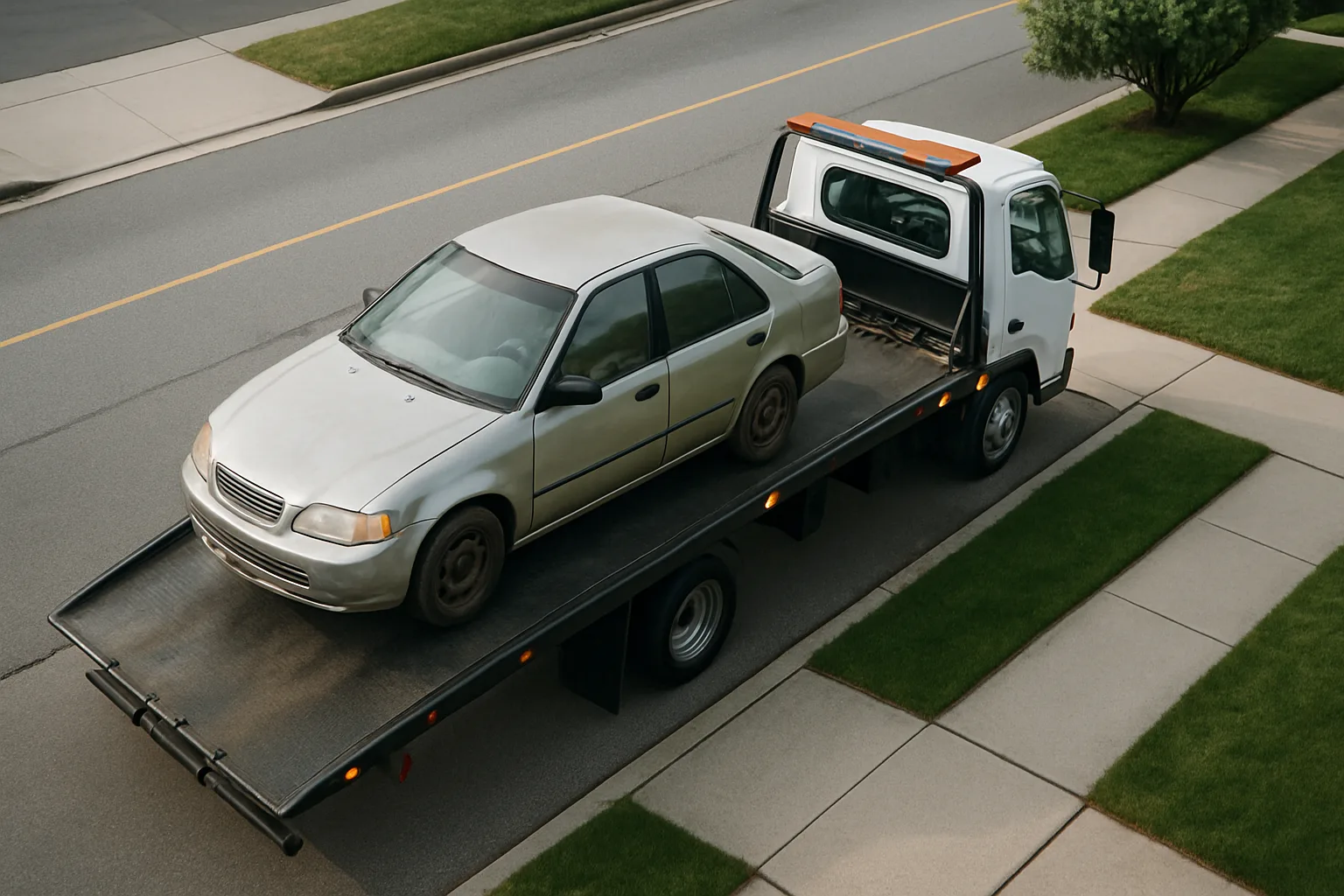
How Junk Car Removal Actually Works: A Step-by-Step Guide for Cambridge Car Owners
That car sitting in your driveway isn't just an eyesore — it's money you haven't collected yet. Most car owners in Cambridge have no idea how straightforward the junk car removal process has become in 2026. No dealership hassle. No classified ad headaches. No waiting weeks for a private buyer who ghosts you. You call, you get an offer, someone shows up and takes the car. That's the short version. Here's the full picture.
Whether your vehicle stopped running last winter, got written off in an accident, or simply reached the end of its useful life, the process to sell scrap car Cambridge is faster and more transparent than most people expect. This guide breaks it down step by step — so you know exactly what to expect before you make a single phone call.
Step 1: Know What Your Junk Car Is Actually Worth
Before you contact anyone, understand what you're working with. Junk car prices aren't random. They're based on a few key factors: the vehicle's weight, the condition of its parts, current scrap metal prices, and whether any high-value components — like the catalytic converter — are still intact.
Scrap metal prices fluctuate constantly, driven by commodity markets, steel demand, and non-ferrous metal pricing. A full-size pickup truck scraps heavier than a compact sedan, so it typically brings more money even in similar condition. But condition still matters. A car with a working engine, intact cats, and usable body panels is worth more than a stripped-out shell — even if both weigh the same.
- Vehicle weight: Most passenger cars weigh between 2,500 and 4,500 lbs
- Catalytic converters: These contain platinum, palladium, and rhodium — high-value metals that buyers want
- Engine and transmission condition: Working cores have real resale value
- Body and frame: Determines whether parts buyers are interested
- Year, make, model: Affects parts demand and overall salvage value
Want to skip the guesswork? Platforms like SMASH help bring competitive buyers into the process so you're not left relying on a single buyer's opinion of what your vehicle is worth. More eyes on your load means better price discovery — not just a lowball offer from whoever picks up the phone first.
Step 2: Gather Your Documents (or Know What to Do Without Them)
In Ontario, the standard requirement to sell or scrap a vehicle is a clear title in your name. This proves you legally own the car and have the right to sell it. You'll also want to cancel your licence plates and notify the Ministry of Transportation that the vehicle has been sold or scrapped.
But what if you don't have the title? It happens more often than you'd think — vehicles inherited from family members, old cars that sat for years with paperwork that got lost, purchases made informally years ago. If you're in this situation, don't panic. There are legitimate paths forward, including applying for a replacement title through ServiceOntario or working with a licensed junk car buyer who handles these situations regularly.
Searching sell my junk car without a title near me will surface a lot of noise. The honest answer is: some buyers will work with you on this, some won't. Be upfront about your paperwork situation before scheduling a pickup. A reputable buyer will tell you exactly what they need and what your options are — no runaround.
Documents to have ready:
- Vehicle ownership (title) — both portions if it's a private sale transfer
- Valid government-issued ID
- Your licence plate — to be returned or transferred before the vehicle leaves
- Any recent safety or emissions records if applicable
Step 3: Get a Quote and Schedule Free Scrap Car Pickup in Cambridge
Once you know what you have and your paperwork is sorted, getting a quote is simple. Most reputable buyers will ask for your vehicle's year, make, model, mileage, and condition. Some will ask for photos. The more information you provide upfront, the more accurate your quote will be — and the fewer surprises on pickup day.
Free scrap car pickup in Cambridge is standard. You should not be paying a towing fee to get rid of a junk car. If a buyer is deducting a tow fee from your payout, factor that into your comparison. Some buyers advertise a headline price and quietly subtract towing. A clean offer is all-in — cash in hand, car gone, no hidden deductions.
When you book a get a free car valuation, you're locking in the terms before anyone shows up. Reputable services confirm the offer, show up on time, and pay what they said they would. If a buyer tries to negotiate down at the door — that's a red flag. Walk away.
For Cambridge residents, same-day or next-day pickup is common. The vehicle doesn't need to run. If it's sitting flat on rims, doesn't start, or has been sitting for years, a flatbed can still remove it without issue.
Step 4: The Pickup — What Happens When They Arrive
This is the part most people have never seen before. Here's exactly what to expect when the tow truck arrives at your Cambridge property.
The driver will verify your ID and ownership documents, inspect the vehicle to confirm it matches what was described in the quote, and complete the paperwork transfer. You sign over the ownership. They hand you the agreed amount in cash or e-transfer — whichever was confirmed at booking. The vehicle gets loaded and taken away. Start to finish, it usually takes 20–30 minutes.
Before they arrive, take a few minutes to:
- Remove all personal belongings from the interior and trunk
- Remove your licence plates (required in Ontario before a vehicle changes hands)
- Cancel your insurance — you won't need it after the vehicle is gone
- Take note of the odometer reading for your records
- Confirm payment method with the buyer in advance
Once the car is gone, you'll want to notify your insurer and update your records with the Ministry of Transportation. This protects you from any liability that could attach to the vehicle after it leaves your hands.
Step 5: Where Your Car Goes and Why It Matters
Your junk car doesn't just disappear. It enters the salvage and recycling supply chain — and understanding this process helps you see why competitive pricing matters so much.
The vehicle typically goes to a licensed auto recycler or salvage yard. Valuable parts — working engines, transmissions, doors, glass — get pulled for resale. The catalytic converter is removed and sent to a processor to recover the precious metals inside: platinum, palladium, and rhodium. What's left gets crushed, shredded, and sold as scrap steel to mills and foundries.
The catalytic converter auction piece is particularly important. Cats are among the highest-value components on most vehicles, and how they're sold downstream affects what the whole chain is willing to pay upfront. When buyers use competitive platforms — like a catalytic converter auction through sell your scrap metal on SMASH Recycling — processors bid against each other for the material. That competition flows back through the supply chain and can mean better offers for sellers at every level.
This is exactly what SMASH was built for. Recyclers and scrap yards across North America use SMASH to list inventory — including cats, cores, and non-ferrous loads — and let vetted buyers compete in real auctions. No guessing what the market will pay. No single-buyer monopoly on pricing. If you want to understand more about how the recycling industry actually prices scrap, you can read car selling tips and dig into how the full chain works.
Sell Scrap Car in Ontario: What Sets Cambridge Apart
Ontario has a well-developed network of licensed scrap yards, auto recyclers, and salvage buyers. Cambridge, sitting in the heart of Waterloo Region, has solid access to buyers in multiple directions — Kitchener, Guelph, Hamilton, and the broader GTA are all within reach. That geographic reality works in your favour when you're selling a junk car because there's genuine competition for inventory in this corridor.
If you're looking to get cash for your car in Canada, your location matters more than most people realize. Urban and suburban Ontario markets like Cambridge tend to attract more active buyers than remote rural areas, which means faster pickups and more competitive offers. You're not stuck with whoever happens to be closest.
Cambridge scrap metal services are a natural part of this ecosystem — and if you want buyers competing for your vehicle rather than just taking the first offer you receive, check out the Cambridge scrap metal services page to see what options are available in your area.
The old way of selling a junk car was one phone call, one price, take it or leave it. That model worked for buyers, not sellers. In 2026, you have options. Use them.
If you're ready to move that vehicle and stop leaving money on the table, get a free quote at cash-forcars.ca — it takes two minutes and there's no obligation to accept.
Frequently Asked Questions
Q: How much can I get for a scrap car in Cambridge?
Prices vary based on vehicle weight, condition, current scrap metal rates, and whether components like the catalytic converter are intact. Most passenger cars bring anywhere from a few hundred to over a thousand dollars depending on these factors. Always get multiple quotes and remember that prices fluctuate with commodity markets — check current rates before committing.
Q: Do I need a title to sell my junk car in Cambridge?
In Ontario, a vehicle ownership (title) is the standard requirement to legally transfer a vehicle. If you've lost your title, you can apply for a replacement through ServiceOntario. Some buyers work with vehicles in special circumstances, but being upfront about missing paperwork before booking a pickup saves everyone time.
Q: Is free scrap car pickup in Cambridge actually free?
It should be. Reputable buyers include towing in their offer — meaning the price quoted is what you receive, with no towing deducted on pickup day. If a buyer quotes you a price and then subtracts a tow fee at the door, that's not a free pickup. Confirm the all-in price when you book.
Q: How long does the junk car removal process take in Cambridge?
From first quote to vehicle removed, same-day or next-day pickup is common in the Cambridge and Waterloo Region area. The actual pickup appointment typically takes 20–30 minutes once the driver arrives — paperwork, inspection, payment, and loading.
Q: What happens to my car after it gets picked up?
Your vehicle goes to a licensed auto recycler or salvage yard where usable parts are pulled for resale, the catalytic converter is processed for precious metal recovery, and the remaining steel is shredded and sold to mills. The recycling chain is well-regulated in Ontario, and your car's materials typically stay in productive use rather than going to landfill.
Stay current on scrap metal markets, industry news, and recycling trends by following SMASH on LinkedIn: SMASH — Scrap Metal Auction Sales Hub.