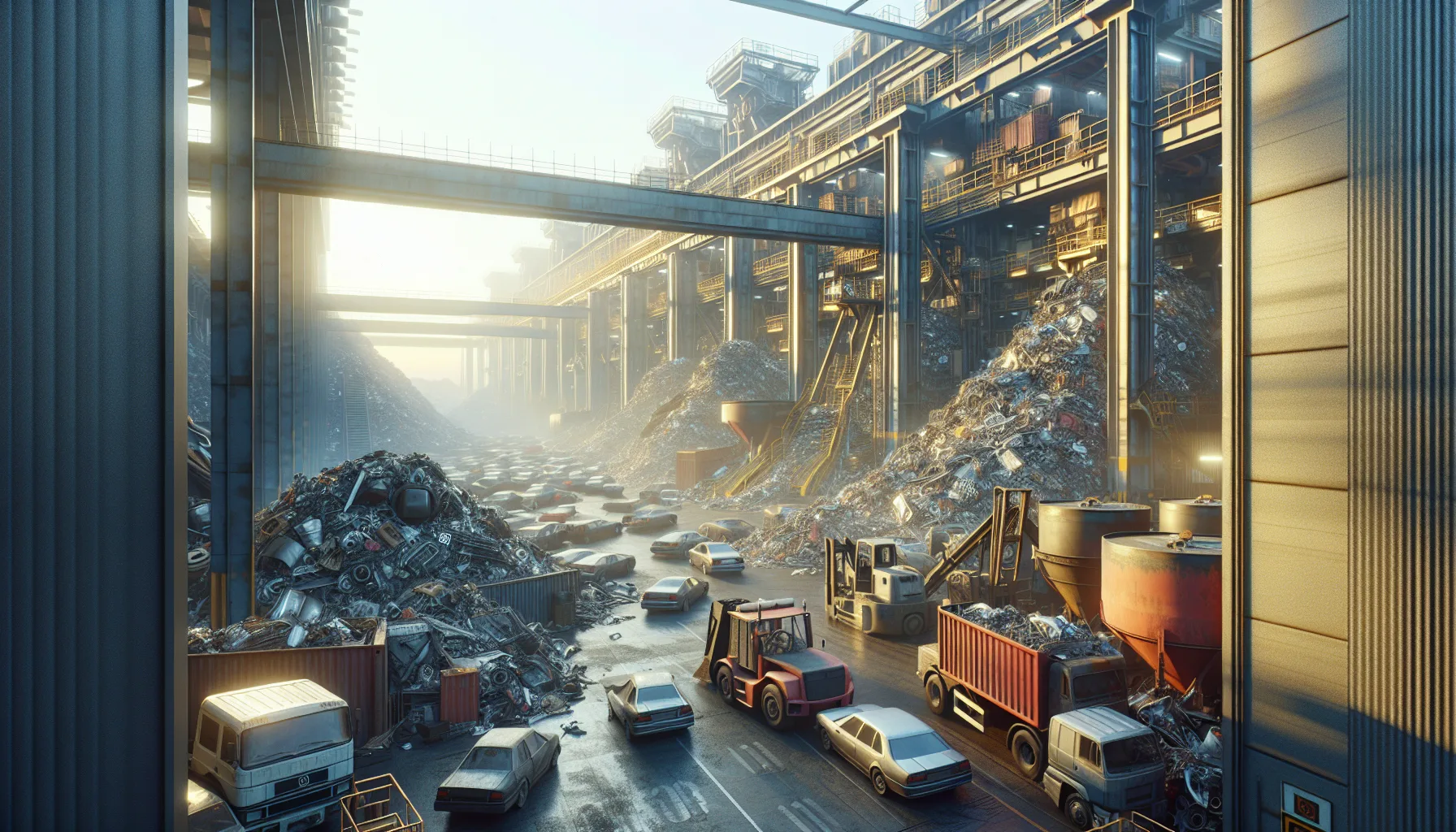
Understanding the Value of Accident-Damaged Vehicles in 2026
Car accidents happen every day across Canada, leaving vehicle owners wondering what to do with their damaged automobiles. Whether your car suffered minor fender damage or major structural issues, cash for cars Saint John services provide valuable options for converting your accident-damaged vehicle into immediate cash. The good news? Even severely damaged cars retain significant scrap value through their metal components, catalytic converters, and functional parts.
In 2026, the Canadian automotive recycling industry processes over 1.5 million end-of-life vehicles annually. Accident-damaged cars represent a substantial portion of this market, with Saint John and surrounding New Brunswick communities contributing thousands of vehicles to the recycling stream each year.
Most car owners don't realize that collision-damaged vehicles often contain valuable materials worth hundreds or even thousands of dollars. Steel prices in Canada have remained strong throughout 2026, averaging $280-$350 per metric ton. Your damaged car typically contains 60-75% recyclable materials by weight, making it a valuable commodity even when it's no longer roadworthy.
Assessing Your Accident-Damaged Car's Scrap Value
Before contacting we buy junk cars Saint John services, understanding your vehicle's potential value helps you negotiate better deals. Several factors determine how much cash you'll receive for your accident-damaged car.
Vehicle weight plays the primary role in scrap valuation. Larger vehicles like trucks and SUVs contain more steel, aluminum, and copper, increasing their base scrap value. A typical sedan weighs 1,400-1,600 kilograms, while pickup trucks often exceed 2,200 kilograms. Current scrap metal recycling Canada rates mean heavier vehicles generate more cash.
The extent of accident damage surprisingly doesn't always reduce scrap value significantly. A car with front-end collision damage might have an intact engine block, transmission, or catalytic converter worth hundreds of dollars. Flood-damaged vehicles, however, typically receive lower valuations due to potential contamination issues affecting metal quality.
Vehicle age and model influence parts demand. Newer cars often have valuable components like advanced catalytic converters, ECU modules, and high-grade aluminum parts. Classic or popular models may have specific parts in demand, increasing overall value beyond basic scrap metal prices.
Legal Requirements for Scrapping Accident-Damaged Vehicles
Canadian provinces maintain specific regulations governing vehicle disposal, and New Brunswick has clear requirements for accident-damaged car disposal. Understanding these legal obligations protects you from potential issues and ensures smooth transactions with legitimate buyers.
Vehicle ownership documentation remains crucial, even for severely damaged cars. Your vehicle registration and proof of ownership establish legal right to sell. If you're dealing with insurance companies following an accident, clarify ownership status before proceeding with scrap sales. Some insurers maintain ownership rights after total loss settlements.
Environmental regulations govern proper vehicle disposal across Canada. Licensed scrap car Canada buyers must follow strict protocols for fluid drainage, battery removal, and hazardous material handling. Working with certified recyclers ensures compliance with federal and provincial environmental standards while protecting you from liability.
Lien releases become important if you're still making payments on your accident-damaged vehicle. Contact your lender to understand requirements for disposing of a financed car. Many platforms like SMASH Recycling — where verified buyers bid on your metal work with sellers to navigate these situations properly.
Maximizing Cash Returns from Your Damaged Vehicle
Smart preparation significantly increases the cash you'll receive for your accident-damaged car. Even vehicles headed for scrap processing can generate maximum returns with proper handling and strategic timing.
Remove valuable personal items and aftermarket accessories before selling. GPS units, custom wheels, sound systems, and performance modifications often have resale value exceeding their scrap worth. Tools, emergency kits, and personal belongings should be removed completely — buyers aren't responsible for lost items.
Timing your sale strategically can impact final pricing. Scrap metal prices fluctuate based on global demand, seasonal factors, and economic conditions. Spring and summer typically see stronger demand for recycled metals due to increased construction and manufacturing activity. However, holding damaged vehicles too long can reduce value as fluids leak and parts deteriorate.
Shopping multiple buyers maximizes your return. Different cash for cars Saint John services offer varying prices based on their processing capabilities, current inventory needs, and market connections. SMASH makes this comparison easy by allowing multiple verified buyers to bid on your vehicle, ensuring competitive pricing without the hassle of calling numerous companies.
Complete paperwork accurately to avoid delays or pricing adjustments. Provide honest descriptions of accident damage, mechanical issues, and missing components. Transparency builds trust with buyers and prevents disputes during pickup or final payment.
The Recycling Process for Accident-Damaged Vehicles
Understanding how recyclers process accident-damaged cars helps you appreciate why these vehicles retain substantial value despite collision damage. Modern automotive recycling has become highly sophisticated, extracting maximum value from every component.
Professional recyclers begin with complete fluid drainage. Engine oil, transmission fluid, coolant, brake fluid, and gasoline require proper disposal according to environmental regulations. These fluids are processed separately, with many being refined for reuse in other applications.
Parts harvesting follows fluid removal. Functional components like engines, transmissions, alternators, and electronic modules get tested and resold as used parts. Even accident-damaged vehicles often have valuable components unaffected by collision damage. A rear-end collision might leave the engine and front-end parts completely intact.
Metal separation represents the final processing stage. Advanced shredding equipment separates ferrous metals (steel and iron) from non-ferrous metals (aluminum, copper, brass). Magnetic separators, eddy current systems, and density separation technology ensure maximum material recovery. The steel gets melted down for new automotive and construction applications.
If you need to get cash for your car in Canada quickly, understanding this process explains why legitimate buyers can offer competitive pricing even for severely damaged vehicles. Every component has value in the recycling stream.
Frequently Asked Questions
Q: Can I sell my accident-damaged car without a title in Saint John?
In New Brunswick, you typically need proper ownership documentation to sell your vehicle legally. Contact the provincial motor vehicle department for specific requirements regarding damaged vehicles. Some situations allow alternative documentation, but proper paperwork protects both buyer and seller from legal issues.
Q: How much cash can I expect for my collision-damaged car in Saint John?
Accident-damaged car values depend on vehicle weight, current scrap metal prices, and salvageable parts. Most damaged cars generate $200-$800 in scrap value, with larger vehicles potentially worth more. Getting quotes from multiple buyers ensures you receive fair market value for your specific situation.
Q: Do I need to remove parts before selling to junk car buyers?
Most reputable buyers purchase vehicles complete, handling all processing internally. However, removing valuable aftermarket accessories or personal items beforehand often increases your total return. Discuss specific requirements with buyers during initial conversations.
Q: How quickly can I get cash for my accident-damaged vehicle?
Legitimate cash for cars services typically complete transactions within 24-48 hours. Same-day pickup and payment are often available for straightforward situations. Complex cases involving insurance claims or lien releases may require additional processing time.
Q: What happens if my damaged car has environmental hazards like leaked fluids?
Licensed recyclers handle environmental cleanup as part of their service. They're equipped to manage leaked fluids, damaged batteries, and other hazardous materials safely. Inform buyers about any environmental concerns during initial discussions to ensure proper handling protocols.
Don't let that accident-damaged vehicle sit deteriorating in your driveway. Whether you're dealing with insurance settlements, mechanical failures, or simply need quick cash, professional recycling services provide reliable solutions. Get a free car valuation today and discover how much your damaged vehicle is really worth. For additional insights on maximizing your vehicle's value, read car selling tips from industry experts. Get cash for your car in Canada — get a free quote at cash-forcars.ca.
Stay informed about scrap metal market trends and recycling industry updates by following SMASH on LinkedIn at https://www.linkedin.com/company/scrap-metal-auction-sales-hub for the latest market insights and pricing information.