Junkyard, Salvage Yard, or Auto Recycler — What's the Difference and Where Should You Go?
Most car owners in Nanaimo use these three terms interchangeably. That's a mistake that can cost you money. Knowing which type of facility you're dealing with — and what each one actually does — changes how much cash you walk away with when it's time to get rid of a vehicle.
If your goal is to sell my car fast Nanaimo, the facility type matters. Not every yard offers the same payout. Not every operation buys every kind of vehicle. And some places that look like a deal upfront quietly underpay because they know you don't know the difference.
Let's break it down clearly so you stop guessing and start getting paid properly.
---What Is a Junkyard — and Is It Still the Right Option?
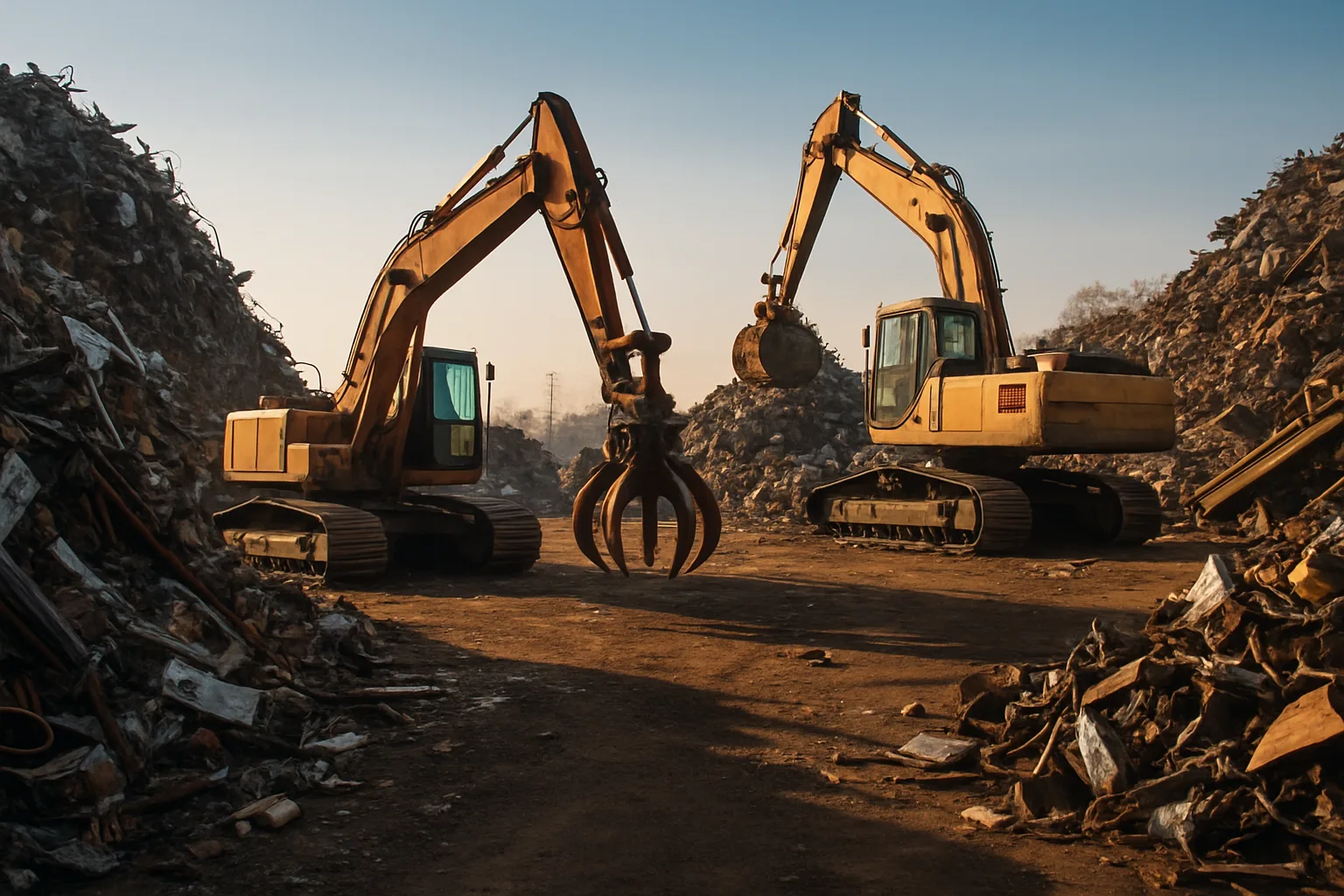
A junkyard is the oldest model in the vehicle disposal business. Cars come in, get stripped for usable parts (sometimes), and the rest sits until it gets crushed or sold off as bulk scrap. The term "junkyard" is informal — most operations that fit this description don't call themselves that anymore, but the business model still exists.
The problem with traditional junkyards is transparency. Pricing is often based on whoever answers the phone that day and what mood they're in. You call, you get a number, you take it or leave it. There's no competitive process, no documentation, and no real way to know if you're getting fair value. If scrap metal prices today are up, a junkyard isn't obligated to pass that upside along to you.
That said, junkyards aren't useless. If your vehicle is truly in rough shape — missing major components, badly rusted, or non-running — a junkyard will still take it. Just know what you're walking into before you agree to a price.
- Typically offer flat-rate or weight-based pricing
- Less likely to provide documentation (bills of lading, transaction receipts)
- May or may not tow — confirm before you commit
- Pricing is not competitive — one offer, take it or leave it
Salvage Yards: More Process, More Parts Focus
A salvage yard operates differently. The primary goal isn't to scrap your car — it's to extract value from it before it ever gets near a crusher. Salvage yards pull functioning parts, test them, inventory them, and resell them to mechanics and DIY repair shops. The vehicle itself eventually gets crushed, but that's the last step, not the first.
For sellers, this means a salvage yard may pay more for a vehicle that still has valuable components intact — a working transmission, low-mileage catalytic converters (cats), functioning doors, or electronics. If your car runs but isn't worth repairing, a salvage yard might offer more than a straight scrap buyer. However, if the vehicle has already been stripped or is missing key parts, expect the offer to reflect that.
In British Columbia, salvage yards are provincially regulated and must follow ICBC's salvage title process for vehicles that have been declared total losses. That matters if you're dealing with an insurance write-off. Make sure the yard you're working with is licensed and can handle the paperwork properly — not every small operation can.
- Focus on extractable part value before scrap weight
- May pay a premium for intact, functioning vehicles
- Better documentation practices than a typical junkyard
- Must be licensed under provincial regulations in British Columbia
- Can process insurance write-offs and salvage titles
Auto Recyclers: The Professional End of the Business
An auto recycler is the most structured operation of the three. They combine parts resale with responsible end-of-life vehicle processing — draining fluids, managing hazardous materials, properly crushing and sorting metals for recycling. In Canada, legitimate auto recyclers are often members of industry associations and follow strict environmental compliance standards.
Auto recyclers are also the most likely to offer cash for junk cars Nanaimo in a transparent, documented way. They generate proper paperwork, provide receipts, and handle title transfers correctly. If you want a clean transaction — no ambiguity, no lost paperwork six months later — an accredited auto recycler is your best bet.
The challenge? Auto recyclers still tend to work the old way: one offer, one phone call, one buyer. You get a number based on what they're willing to pay, not necessarily what the market will bear. That's where platforms like SMASH Recycling — where verified buyers bid on your metal change the equation entirely. Instead of calling one yard, you put your vehicle in front of multiple vetted buyers who compete for it. More competition means better price discovery — and you stop leaving money on the table.
---How to Know Which One You're Dealing With in Nanaimo
Here's the honest reality: in Nanaimo and across Vancouver Island, the lines between these three operation types are often blurry. A lot of local yards do all three things under one roof — they take scrap cars, pull parts, and crush what's left. The label matters less than the specifics of how they price, document, and process your vehicle.
Before you hand over keys, ask these questions directly:
- How do you determine your offer price? — If they can't explain it, that's a red flag.
- Do you provide a bill of sale or receipt? — You need documentation for your own protection.
- Can you handle a vehicle with no title? — Some operations can process a sell car for scrap no title situation legally; others can't or won't.
- Is towing included, and is there a fee? — Towing fees can quietly eat into your payout.
- Are you licensed under provincial regulations? — Non-licensed operations create liability for you as the seller.
For Nanaimo sellers who want to compare options without making a dozen calls, Nanaimo scrap metal services gives you a local starting point that ties into a broader buyer network — so you're not stuck with whoever happens to answer the phone first.
---Does Having a Title Change Your Options — and Your Price?
Yes. A clean title makes the transaction faster, cleaner, and often worth more. Buyers can resell parts or the whole vehicle with less friction when the paperwork is in order. But not having a title doesn't mean you're stuck.
Many scrap buyers — including operations that work with SMASH — can process vehicles without a title, especially if the car is going straight to scrap weight rather than resale. In British Columbia, there are specific rules around how this is handled, and a licensed facility will walk you through the process. What you want to avoid is handing over a vehicle with no documentation at all. Get something in writing, even if it's just a basic receipt with the buyer's business name, your name, and the vehicle details.
If you want to get a free car valuation before committing to anything, do that first. Know what your vehicle is worth — title or no title — before anyone makes you a lowball offer you might regret accepting.
The junk car prices near me you see advertised online are often best-case numbers. The actual payout depends on your vehicle's condition, the current scrap metal market, and which buyers are actively competing for inventory in your area. That variability is exactly why a competitive process beats a single phone call every time.
---Why Competitive Bidding Beats the Single-Buyer Model
Here's the core problem with calling one junkyard, salvage yard, or auto recycler: you get one opinion of what your car is worth. That opinion is shaped by what they need today, what margin they want to keep, and how much they think you know about the market.
The old way of selling scrap — one buyer, one call, guess at the price — is exactly what SMASH was built to disrupt. When you put a vehicle or a load of scrap into a competitive auction format with vetted buyers, the market sets the price. Not one person's gut feeling.
If you're ready to get cash for your car in Canada without the runaround, the process is straightforward: document what you have, get it in front of buyers who actually compete for it, and walk away with a number that reflects what the market will pay — not what one yard decided to offer you.
You can also read car selling tips to make sure you're prepared before you make any calls or commitments. The more you know going in, the better your outcome.
Whether you're in Nanaimo, somewhere else in British Columbia, or anywhere else in Canada — the playbook is the same. Know what you have. Know who you're dealing with. And don't settle for the first number someone throws at you.
---Frequently Asked Questions
Q: Can I sell my car fast in Nanaimo without a title?
Yes, many scrap buyers and auto recyclers in Nanaimo can process vehicles without a title, particularly if the car is going to scrap rather than resale. You'll still want proper documentation — at minimum, a receipt with your name, the buyer's details, and the vehicle description. Working with a licensed facility protects you legally.
Q: What's the difference between scrap value and salvage value for my car?
Scrap value is based on the vehicle's weight in metal — how much the raw material is worth when crushed and sold. Salvage value is higher and factors in working parts that can be resold. A car with a functioning engine, catalytic converters, or low-mileage components will typically fetch more from a salvage buyer than a straight scrap buyer.
Q: How do I know if I'm getting a fair price for my junk car?
The best way is to get multiple offers rather than accepting the first one. Scrap metal prices fluctuate based on commodity markets, and what one buyer offers may be significantly less than what another will pay. Platforms that connect you with multiple vetted buyers — like SMASH — give you real price discovery instead of a single take-it-or-leave-it number.
Q: Does the condition of my car affect what I get paid?
Absolutely. A running vehicle with intact parts is worth more than a stripped shell. Missing catalytic converters, a pulled transmission, or significant rust all reduce the offer. Be upfront about your vehicle's condition when getting quotes — accurate information leads to accurate pricing and avoids last-minute lowball adjustments when the buyer shows up.
Q: How quickly can I get cash for my car in Nanaimo?
Timeline depends on the buyer, but many operations can complete a pickup and payment within 24–72 hours once a price is agreed. Having your paperwork ready — whatever documentation you have on the vehicle — speeds things up. Confirm towing logistics and payment method (cash, e-transfer) before you finalize anything.
---Disclaimer: Scrap metal and vehicle prices fluctuate based on commodity markets and local buyer demand. The information in this article reflects general market conditions as of June 2026. Always check current rates before making a final decision.
Ready to stop guessing and start getting paid? Head to cash-forcars.ca for a free quote on your vehicle — no pressure, no runaround, just a real number based on what your car is actually worth today.
Stay sharp on scrap metal market trends and industry news — follow SMASH on LinkedIn for regular updates and insights from across the recycling industry.