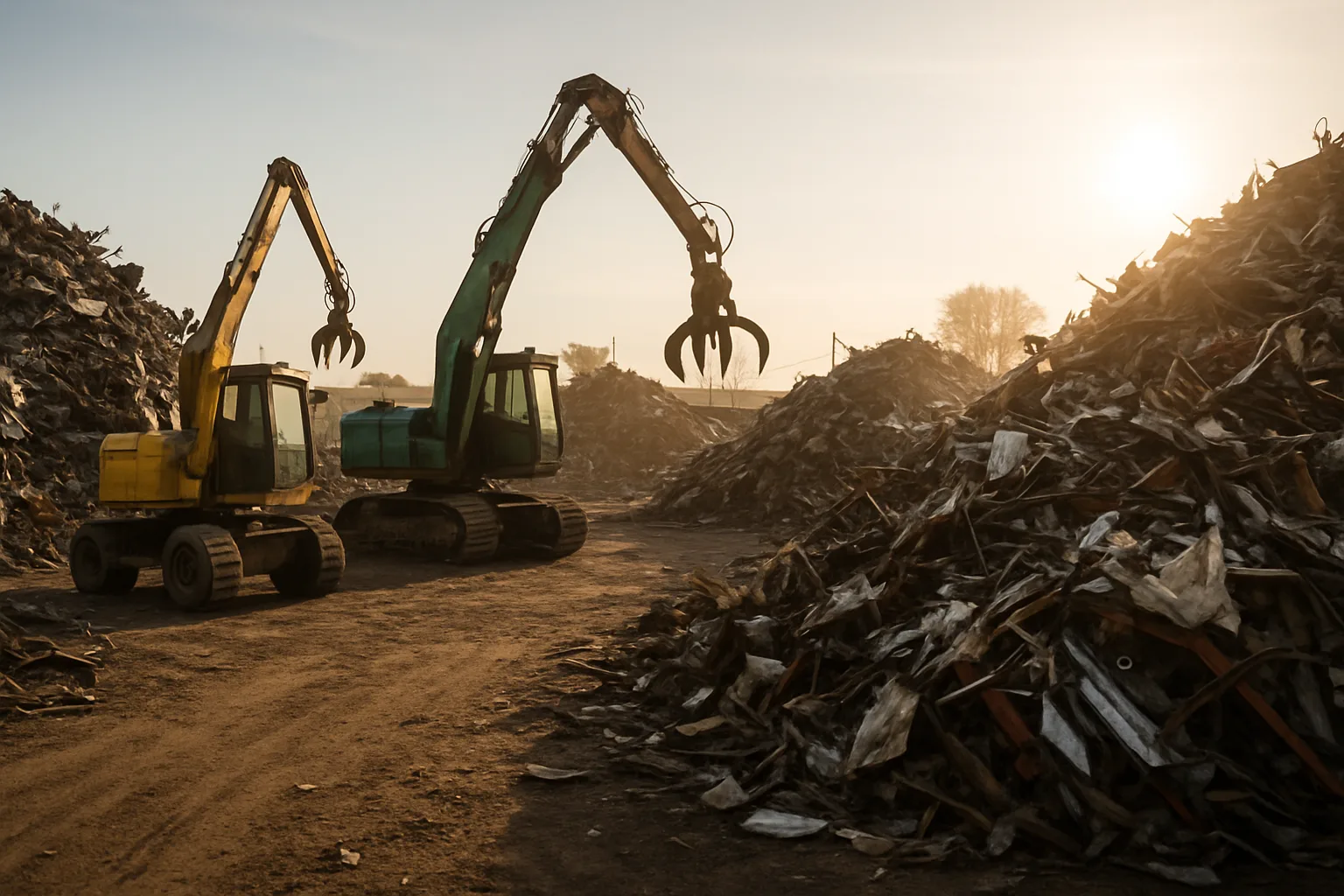
You've got an old car sitting in your driveway, and you want it gone. You search online and see three different terms pop up: junkyard, salvage yard, and auto recycler. They sound similar. Maybe you assume they're all the same thing. They're not — and knowing the difference could mean more money in your pocket and a smoother experience getting rid of your vehicle.
If you're in Sudbury or anywhere else in Ontario, this matters even more. The right buyer for your car depends on what your vehicle is worth, what condition it's in, and what your priority is — speed, cash, or parts recovery. Let's break it all down so you can make a smart call, not just the first call.
Junkyard vs. Salvage Yard vs. Auto Recycler: What's the Real Difference?
These three terms get used interchangeably all the time, even by people in the industry. But they describe different business models, different services, and different experiences for the seller.
Here's the fast version:
- Junkyard: The old-school end-of-life vehicle lot. Cars come in, get stripped for scrap metal, and what's left gets crushed or shredded. The focus is bulk metal weight, not parts recovery. You might get a flat rate based on tonnage. Don't expect a detailed breakdown of your car's value.
- Salvage Yard (also called a wrecker or auto wrecker): These operations buy vehicles with the goal of reselling usable parts. They pull engines, transmissions, doors, mirrors — anything with resale value. The rest goes to scrap. If your car has low kilometres or a sought-after drivetrain, a salvage yard might offer you more than a junkyard because they're recovering more value.
- Auto Recycler: This is the modern version. Auto recyclers handle the full lifecycle — parts resale, fluid draining, metal sorting, proper disposal of hazardous materials. They're typically certified and operate under provincial environmental regulations. In Ontario, registered auto recyclers follow Ministry of the Environment standards. They're the most transparent of the three and often offer the best overall value for sellers who document their vehicles properly.
In practice, some operations do all three. But the label they use tells you a lot about where their priorities sit — and how they'll price your car.
Why the Distinction Matters for Free Scrap Car Pickup in Sudbury
If you're looking for free scrap car pickup in Sudbury, the type of buyer you contact directly affects your outcome. A straight junkyard might offer free towing but pay you almost nothing — their margin depends on keeping acquisition costs low. A salvage yard might pay more upfront but want a car with more life left in it. An auto recycler will typically give you the most transparent quote because they've done the work of understanding what they're actually buying.
Sudbury's geography plays a role here too. The city sits in the heart of the Canadian Shield, surrounded by mining and industrial activity. Scrap metal flows through this region constantly — copper wire, steel beams, vehicle hulks. That means there's real competition among buyers, which is good for sellers. But it also means you need to understand who you're talking to before you accept any offer.
A platform like SMASH — Canada's B2B scrap recycling marketplace — exists precisely because that competition wasn't always visible to sellers. When multiple vetted buyers compete for your load, price discovery happens. You see what your vehicle is actually worth on the open market, not just what one buyer wants to pay that day.
How Scrap Car Value Is Actually Calculated (Junk Car Buyers Near Me for Cash)
Whether you're dealing with a junkyard, salvage yard, or recycler, the math behind your offer comes from the same general inputs. Understanding them helps you negotiate — or at least recognize when an offer is low.
- Curb weight: The base weight of your vehicle minus fluids and passengers. A full-size pickup might run 2,200 kg. A compact sedan, closer to 1,200 kg. Steel is priced per tonne, so weight matters a lot in a straight scrap calculation.
- Current scrap metal prices: These fluctuate daily. Steel, aluminum, and copper all move with global commodity markets. What your car was worth three months ago may not be what it's worth today. Always ask for a current quote — don't rely on what a neighbour got paid last spring.
- Recoverable parts: Catalytic converters (cats) are a major value driver. A late-model cat can carry significant precious metal content — platinum, palladium, rhodium. Engines, transmissions, and body panels all add to the offer if the buyer is a salvage operator.
- Condition and documentation: A car with a clean title, matching VIN, and photo documentation of its parts is easier to buy and easier to sell downstream. Documented inventory gives buyers more confidence — and confident buyers bid higher.
- Towing cost: Free pickup isn't always free. Some buyers bake the tow cost into a lower offer. Make sure you're comparing apples to apples when you get multiple quotes.
If you want a starting point before you call anyone, get a free car valuation online. It takes minutes and gives you a baseline before you start negotiating.
Junk Car Removal in Sudbury: What the Process Actually Looks Like
For most Sudbury car owners, the process of getting rid of an unwanted vehicle looks like this:
- Get a quote. You describe your vehicle — year, make, model, condition, whether it runs. You'll need the VIN handy. Some buyers use serial tracking to verify the vehicle history before making an offer.
- Schedule pickup. If the offer works for you, the buyer arranges towing. Legitimate buyers handle this at no cost to you — make sure that's confirmed upfront.
- Sign over the title. In Ontario, you'll need to sign the vehicle transfer paperwork. The buyer typically handles the deregistration. Keep a copy of everything.
- Get paid. Payment terms vary. Cash, e-transfer, and cheque are all common. Ask about this before you agree to anything.
The whole thing can happen in 24 to 48 hours when the buyer is organized and motivated. Delays usually come from missing paperwork, unclear vehicle ownership, or buyers who aren't actually local and need to coordinate logistics from out of region.
For Sudbury scrap metal services, working with buyers who operate in Northern Ontario directly — not through a middleman — means faster pickups and fewer headaches. Local buyers know the roads, they know the yard distances, and they're not adding a third-party broker fee to your quote.
Why Scrap Metal Recycling in Canada Has Gotten More Competitive (And What That Means for You)
The scrap metal recycling industry in Canada has seen significant changes in how buyers and sellers connect. The old model — call one yard, take their price, done — is being replaced by a more transparent, auction-driven approach. That shift benefits sellers directly.
SMASH operates as a scrap metal auction platform, connecting vetted buyers across North America with sellers who want real competition on their loads. For end-of-life vehicles, that means more buyers seeing your car, more bids coming in, and better price discovery. There's no subscription fee for sellers — SMASH only wins when the seller wins.
This matters for individual car owners too. Even if you're not selling a commercial load of scrap, understanding that buyers compete for metal helps you approach the conversation differently. You're not asking for a favour. You have something they want. Get cash for your car in Canada through a process that reflects that reality.
Scrap metal recycling Canada-wide is projected to stay active through 2026, driven by ongoing demand for secondary steel and non-ferrous metals. Electric vehicle battery components, catalytic converter cores, and aluminum-intensive vehicle structures are all driving recycler interest in late-model vehicles. If your car was built in the last decade, it may have more recoverable value than you think.
How to Choose the Right Buyer for Your Scrap Car in Sudbury
Not every buyer is the right fit for every vehicle. Here's how to match your car to the right type of buyer:
- High-mileage car with no working parts: A straight junkyard or auto recycler is your best bet. They're buying for scrap weight, and they'll process it efficiently.
- Newer vehicle that doesn't run but has good components: A salvage yard will likely pay more. They'll recover the engine, transmission, and body parts before it hits the shredder.
- Any vehicle where you want maximum price discovery: Use a platform that puts your vehicle in front of multiple buyers simultaneously. More eyes on the car equals more competition, which can push the offer up.
- Vehicle with a valuable catalytic converter: Make sure your buyer is transparent about cats. Some buyers low-ball the whole car offer because they know the cat is worth significant money separately. Ask directly what they're paying for the converter.
Wherever you land, read car selling tips before you commit to any offer. A few minutes of research can mean the difference between a fair deal and leaving money behind.
When you're ready to move, get a free quote at cash-forcars.ca. Whether your car runs or doesn't, whether it's been sitting for two months or two years, there's a buyer out there who wants it. The goal is making sure you find the right one — not just the first one who picks up the phone.
Frequently Asked Questions
Q: What's the fastest way to get free scrap car pickup in Sudbury?
The fastest route is to have your paperwork ready before you call — vehicle ownership, photo ID, and VIN. Buyers can confirm an offer and schedule pickup within 24 hours when documentation is clean. Delays almost always come from missing or unclear ownership records.
Q: How do I know if my scrap car is worth more at a salvage yard than a junkyard in Sudbury?
If your car has parts that still function — engine, transmission, suspension components, or a valuable catalytic converter — a salvage yard will likely offer more. If it's fully stripped or heavily damaged, a straight junkyard or auto recycler will process it for scrap weight and offer a metal-based price. Get at least two quotes before deciding.
Q: Do I need a title to sell my junk car for scrap in Ontario?
Yes. In Ontario, you need to be the registered owner of the vehicle to legally transfer it. You'll sign the vehicle permit over to the buyer at the time of pickup. If you've lost your ownership documentation, the Ontario Ministry of Transportation can help you obtain a replacement before you sell.
Q: How do scrap car prices get calculated, and where can I use a scrap car value calculator?
Scrap car value comes from a combination of the vehicle's curb weight, current steel and non-ferrous metal prices, and any recoverable parts. Online calculators can give you a rough estimate based on these inputs, but actual offers depend on real-time commodity prices. Always get a live quote alongside any calculator estimate — prices fluctuate, and what you see online may not reflect today's market.
Q: Are there junk car buyers near me for cash in the Sudbury area?
Yes — Sudbury has active scrap buyers who service Northern Ontario directly. Local buyers typically offer faster pickup times than out-of-region operations that need to coordinate long-haul logistics. Using a platform like SMASH or getting quotes through cash-forcars.ca connects you with vetted buyers who operate in your area and are motivated to compete for your vehicle.
Stay current on scrap metal market movements and recycling industry news by following SMASH on LinkedIn. It's where the industry talks.