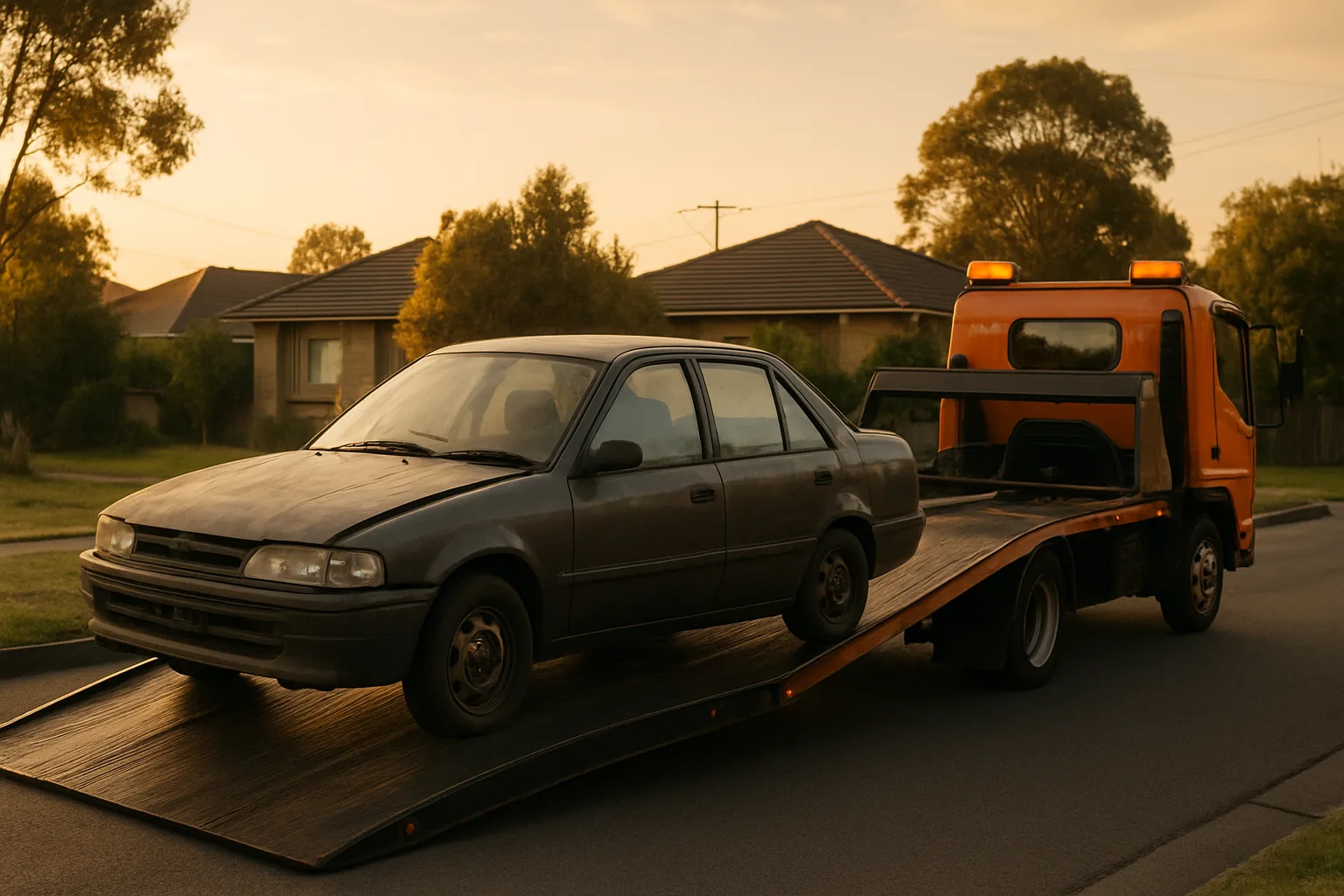
Most car owners have no idea what actually happens to their vehicle after it leaves the driveway for the last time. The short answer? If it goes to the right place, almost nothing gets wasted. The long answer is worth knowing — especially if you want to sell my car fast Sydney and feel good about where it ends up.
Nova Scotia has a growing network of recyclers and scrap processors who handle end-of-life vehicles properly. But not every buyer treats your car — or the environment — with the same care. Here's what eco-friendly car disposal actually looks like, and how to make sure your vehicle goes through the right process.
Why Eco-Friendly Car Disposal Matters More Than You Think
A standard passenger vehicle contains somewhere between 200 and 300 pounds of hazardous materials. Engine oil, transmission fluid, brake fluid, coolant, battery acid, refrigerants — all of it needs to be drained and disposed of according to environmental standards before anything else happens to the vehicle. Skip that step, and those fluids end up in the soil or water supply.
This isn't a theoretical concern. Improperly scrapped vehicles have been a documented source of groundwater contamination across North America for decades. In Canada, provincial regulations require licensed recyclers to follow a depollution process before a vehicle is crushed or shredded. Choosing a responsible buyer isn't just a feel-good decision — it protects the land and water around communities like Sydney and every other town the vehicle's materials might eventually reach.
- Coolant and antifreeze — recovered and recycled or neutralized
- Engine oil and transmission fluid — drained and sent to re-refining facilities
- Refrigerants (A/C systems) — captured with specialized equipment to prevent atmospheric release
- Lead-acid batteries — one of the most recycled products on the planet; lead is recovered and reused
- Catalytic converters — contain platinum-group metals that are extracted and reused
- Tires — shredded for crumb rubber, retreading, or energy recovery
The Step-by-Step Scrap Car Recycling Process
Here's what a legitimate, environmentally responsible recycler actually does with your vehicle. This process applies whether your car ends up at a facility in Sydney, Nova Scotia or anywhere else in Canada. Understanding it helps you ask the right questions when you're comparing buyers.
-
Vehicle assessment and valuation
The car is weighed, documented, and assessed for usable parts and metal content. Year, make, model, condition, and current scrap metal market rates all factor into your offer. Platforms like smashrecycling.ca bring competition into this step — instead of one buyer making one offer, multiple vetted buyers compete, which leads to better price discovery. -
Fluid depollution
Every fluid is drained before the car moves to the next stage. This is non-negotiable under Canadian environmental regulations. A licensed recycler documents this step. -
Parts harvesting
Usable components — engines, transmissions, doors, glass, electronics — are removed and inventoried for resale. This extends the life of those parts and reduces the need to manufacture new ones. -
Catalytic converter removal
Cats contain rhodium, palladium, and platinum. They're removed separately and sent to smelters that recover those metals. A single catalytic converter can carry significant value depending on the vehicle. -
Battery and tire removal
Batteries go to lead recycling facilities. Tires are diverted from landfill through provincial tire stewardship programs. -
Hulk crushing and shredding
What's left — the steel and aluminum shell — gets crushed and fed into a shredder. The output is sorted by material type using magnets, eddy currents, and optical systems. Steel goes to mini-mills. Aluminum and other non-ferrous metals go to specialty smelters. -
Material recovery
A modern end-of-life vehicle is roughly 75–80% recyclable by weight. Steel is the dominant material, but aluminum, copper wiring, and plastics all have recovery pathways.
That's not a theoretical process — it's what happens at licensed facilities every day across Canada. The difference between a responsible buyer and a bad one often comes down to whether they're following steps one through three properly, or skipping them to save time and money.
What Scrap Metal Recycling Canada Actually Recovers From Your Car
People think of scrap metal recycling Canada as a simple crush-and-sell business. It's more sophisticated than that. Modern auto shredders separate ferrous from non-ferrous metals automatically, and the recovered material goes directly into domestic and international supply chains for new manufacturing.
Steel recovered from scrapped vehicles re-enters the electric arc furnace steelmaking process. It takes significantly less energy to produce steel from scrap than from virgin iron ore — roughly 60% less by most industry estimates. That's a meaningful environmental benefit, and it's built into the economics of every scrap transaction. When you sell a junk car, you're not just clearing your driveway. You're contributing material back into a circular manufacturing process.
Non-ferrous metals recovered from vehicles include:
- Aluminum — engine blocks, wheels, trim pieces, transmission housings
- Copper — wiring harnesses, motors, alternators
- Zinc — die-cast components, galvanized coatings
- Platinum-group metals — catalytic converters (rhodium, palladium, platinum)
Each of these has a separate market and a separate recovery process. Buyers who know what they're doing price your vehicle with all of this in mind. Buyers who are guessing — or who are only looking at the steel hulk — leave money on the table. That's your money.
How to Sell Your Junk Car Responsibly in Sydney and Nova Scotia
If you want to sell my car fast Sydney and know it's going to be handled properly, ask a few direct questions before you accept any offer. The right buyer won't hesitate to answer them.
Ask your buyer:
- Are you a licensed auto recycler under Nova Scotia environmental regulations?
- Do you perform fluid depollution before crushing?
- How do you handle battery and tire disposal?
- Do you provide a certificate of destruction (COD) after processing?
A certificate of destruction is important. It officially removes your name and liability from the vehicle. Without it, you could theoretically still be tied to a vehicle that's been scrapped — and that creates problems if anything happens between your sale and final processing.
SMASH works with vetted buyers who understand these standards. When you put a load or a vehicle through the SMASH platform, you're not handing it off to an unknown buyer who may or may not handle it correctly. The vetting process matters, and it matters for reasons beyond just price. If you want to get cash for your car in Canada without guessing whether your vehicle ends up handled properly, that buyer quality distinction is worth paying attention to.
Getting the Most Cash for Junk Cars Sydney — Without Sacrificing Responsibility
Some people assume eco-friendly disposal means accepting a lower price. That's backwards. Responsible recyclers who extract full value from every material — metals, parts, fluids recovered for resale — are actually better positioned to pay you more, not less. They're not leaving money in the driveway.
The problem with the old way of selling a junk car is simple: one phone call, one buyer, one offer. You have no idea if that number is fair. You can't compare it to anything because you only called one place. That single-buyer model benefits the buyer, not you.
Competition changes that. When multiple buyers see the same vehicle and submit competing offers, the price reflects what the car is actually worth in the current market — not what one buyer feels like paying on a Tuesday morning. SMASH is built around that competitive dynamic. More buyers, real offers, better price discovery. Get a free car valuation and see what the market actually says your vehicle is worth.
For owners in Sydney specifically, local logistics matter too. Scrap car removal services that operate in Cape Breton know the area, know local haulers, and can move fast. You shouldn't be waiting a week for someone to come from Halifax when there are capable buyers closer to home.
Documentation, Title Transfer, and What Happens After Pickup
Once you accept an offer and schedule pickup, there are a few things you need to handle on your end before the car leaves. Getting these right protects you legally and ensures the recycling process can proceed without delays.
Before the car gets picked up:
- Remove all personal belongings — check under seats, in the trunk, in the glove box
- Remove your license plates (in Nova Scotia, plates stay with the owner, not the vehicle)
- Have your ownership/title documentation ready
- Cancel your insurance on the vehicle after pickup is confirmed
- Notify Service Nova Scotia that the vehicle has been sold for scrap
After pickup, confirm that your buyer issues a bill of sale and, where applicable, a certificate of destruction. Keep copies of both. This is your paper trail showing the vehicle was legally transferred and properly processed.
If you want to dig deeper into how the selling process works from start to finish, read car selling tips that cover the full timeline — from first quote to final payment.
Whether your car is in Sydney, Scarborough, or anywhere across Canada, the combination of proper depollution, competitive pricing through platforms like SMASH, and clean documentation is the standard you should expect. Anything less than that isn't worth your time or your vehicle.
Ready to move forward? Get cash for your car in Canada — start with a free quote at cash-forcars.ca and find out what your vehicle is actually worth today.
Frequently Asked Questions
Q: How do I sell my car fast in Sydney, Nova Scotia?
Contact a licensed auto recycler or use a platform like SMASH that connects you with multiple vetted buyers. Have your ownership documents ready, remove your plates, and schedule pickup. Most legitimate buyers can complete the transaction within one to three business days.
Q: What do I do with my license plates when I scrap my car in Nova Scotia?
In Nova Scotia, license plates belong to the vehicle owner, not the vehicle. Remove your plates before the car is picked up. You can return them to Access Nova Scotia or transfer them to another vehicle you own.
Q: How is scrap car value near me calculated?
Scrap car value is based on the vehicle's weight, the current price of steel and non-ferrous metals, the condition and salvageability of parts, and local market demand. Prices fluctuate with commodity markets, so getting multiple offers gives you a better picture of what your car is actually worth right now.
Q: Is it safe to sell a junk car for cash — will I still be liable for it?
As long as you complete a proper title transfer, keep a bill of sale, and receive a certificate of destruction where applicable, your liability ends at the point of transfer. Notify your provincial registry and cancel insurance after the vehicle is picked up.
Q: What happens to fluids and hazardous materials when a car is recycled in Canada?
Licensed recyclers are required under Canadian environmental regulations to drain all fluids — engine oil, coolant, brake fluid, refrigerants, and battery acid — before crushing or shredding the vehicle. These materials are either recycled, re-refined, or disposed of through approved facilities. Always confirm your buyer is licensed before you sell.
Stay current on scrap metal market trends and industry updates — follow SMASH on LinkedIn for regular insights from the recycling and scrap industry across North America.
```